Strength training is the foundation of any effective home gym. While cardio improves endurance and heart health, strength training builds muscle, increases bone density, boosts metabolism, and supports long-term functional fitness. No matter your goal—fat loss, muscle growth, or everyday strength—resistance training plays a critical role.
For many people, the challenge isn’t deciding to strength train—it’s knowing what equipment is actually worth buying. Home gyms come with space constraints, budget limits, and different experience levels. The best strength training equipment isn’t always the biggest or most expensive, but the gear that offers versatility, safety, and long-term progression.

Choosing the right equipment also determines how consistently you train. Tools that are easy to use, adaptable, and effective make it far more likely that workouts become a habit rather than a chore. Smart equipment choices allow you to get stronger without needing a commercial gym.
In this guide, we’ll break down the best strength training equipment for home gyms, from foundational essentials to more advanced tools. Each section explains what the equipment is used for, why it matters, what to consider before buying, and how much it typically costs—so you can build a home gym that delivers real, long-term results.
Strength Training Equipment at a Glance
| Equipment Type | Primary Focus | Space Required | Skill Level | Best For |
|---|---|---|---|---|
| Adjustable Dumbbells | Muscle building, unilateral strength | Low | Beginner–Advanced | Full-body strength in small spaces |
| Barbells & Weight Plates | Progressive overload, compound lifts | High | Intermediate–Advanced | Maximum strength and muscle growth |
| Power Racks / Squat Racks | Heavy lifting, safety | High | Intermediate–Advanced | Squats, presses, and barbell training |
| Adjustable Weight Benches | Pressing, accessory work | Low–Medium | Beginner–Advanced | Expanding exercise variety |
| Resistance Bands | Joint-friendly resistance, mobility | Very Low | Beginner–Advanced | Travel workouts and rehab support |
| Kettlebells | Functional strength, conditioning | Low | Beginner–Advanced | Power, grip, and dynamic lifts |
| Smith Machines | Guided strength training | High | Beginner–Intermediate | Controlled lifting and isolation |
| Cable Machines | Constant tension, isolation | Medium–High | Beginner–Advanced | Accessory work and muscle definition |
| Bodyweight Training Tools | Functional strength, stability | Very Low | Beginner–Advanced | Core training and movement control |
| Weighted Vests | Progressive bodyweight overload | Very Low | Beginner–Advanced | Increasing workout intensity |
| Grip Strength Tools | Forearm and hand strength | Very Low | Beginner–Advanced | Deadlifts, pulling strength |
| Medicine Balls | Power, explosiveness | Low | Beginner–Advanced | Athletic and rotational training |
Why Strength Training Equipment Matters in a Home Gym
Strength training equipment is more than just workout gear—it’s the foundation that determines how effective, safe, and sustainable your home workouts will be. The right equipment enables progressive overload, supports proper movement patterns, and makes it easier to train consistently without relying on a commercial gym.
Enables Progressive Overload and Long-Term Results
Strength training only works when the body is continually challenged. Quality equipment allows you to gradually increase resistance over time, which is essential for building muscle, increasing strength, and improving bone density. Without proper tools, progress stalls quickly, limiting long-term results.
Improves Exercise Variety and Training Balance
Well-chosen strength equipment expands the range of exercises you can perform at home. This variety allows you to train all major muscle groups effectively, reduce imbalances, and avoid repetitive movement patterns. More exercise options also mean better program design and reduced risk of overuse injuries.
Increases Safety and Training Confidence
Proper strength equipment provides stability, control, and support—especially when lifting heavier loads. Tools designed for home use help maintain correct form, reduce injury risk, and give you confidence to train hard without a spotter or commercial gym environment.
Supports Consistency and Habit Formation
When effective strength equipment is readily available at home, workouts become easier to start and stick with. Removing barriers like gym travel or crowded spaces increases training consistency, which is the most important factor in achieving strength and physique goals.
Maximizes Space and Workout Efficiency
Strength equipment designed for home gyms often delivers multiple training functions in a compact footprint. This efficiency allows you to perform full-body workouts in limited space, making it possible to build strength without dedicating an entire room to fitness equipment.
Adjustable Dumbbells

Adjustable dumbbells are one of the most versatile and space-efficient strength training tools for home gyms. They allow users to increase or decrease resistance by changing the weight, making them suitable for beginners and advanced lifters alike. With a single set, you can perform hundreds of exercises targeting every major muscle group.
What Adjustable Dumbbells Are Used For
Full-Body Strength Training
Adjustable dumbbells are used for compound and isolation exercises that train the entire body. Movements like presses, rows, squats, and lunges build overall strength, while curls, raises, and extensions isolate specific muscle groups for balanced development.
Progressive Overload and Muscle Growth
Because the weight can be adjusted incrementally, dumbbells support progressive overload—the key driver of muscle growth. As strength improves, resistance can be increased without replacing equipment, allowing steady long-term progress at home.
Unilateral Training and Muscle Balance
Adjustable dumbbells are ideal for unilateral exercises that train one side of the body at a time. This helps correct muscle imbalances, improve coordination, and promote symmetrical strength development that carries over into compound lifts.
Why You Need Adjustable Dumbbells
Maximum Versatility in Minimal Space
Adjustable dumbbells can replace an entire rack of fixed-weight dumbbells while taking up very little floor space. This makes them ideal for home gyms, apartments, and shared workout areas where efficiency and exercise variety are priorities.
Suitable for All Experience Levels
From beginners learning foundational movements to advanced lifters pursuing heavier resistance, adjustable dumbbells scale with your strength. They remain useful over time without becoming obsolete as your fitness improves.
Supports Both Strength and Conditioning
Adjustable dumbbells aren’t limited to slow, controlled lifting. They can be used in conditioning circuits, supersets, and high-rep workouts that elevate heart rate while still building muscle and strength.
What to Consider When Buying Adjustable Dumbbells
- Weight range and expandability: The total weight capacity determines how long the dumbbells will remain useful as you get stronger, and expandable systems allow for future progression.
- Handle design and grip comfort: Knurling, handle diameter, and balance affect control, safety, and comfort during pressing, pulling, and dynamic movements.
- Plate material and noise control: Plate construction impacts durability, floor protection, workout noise, and overall suitability for home use.
How Much Do Adjustable Dumbbells Cost?
| Price Tier | Typical Cost Range | What You Get |
|---|---|---|
| Budget | $100 – $200 | Basic adjustable set with limited total weight. Best for beginners and light strength training. |
| Mid-Range | $200 – $400 | Wider weight range, better grip quality, and smoother adjustments for consistent progression. |
| Premium | $400 – $800+ | High weight capacity, compact design, and refined adjustment systems for advanced lifters. |
Barbells & Weight Plates

Barbells and weight plates are the cornerstone of serious strength training. They allow for heavy compound lifts, precise progressive overload, and full-body training that closely mirrors commercial gym workouts. For home gyms focused on building strength, muscle, and power, barbells and plates provide unmatched versatility and long-term progression potential.
What Barbells & Weight Plates Are Used For
Compound Strength Lifts
Barbells and plates are primarily used for compound exercises such as squats, deadlifts, presses, and rows. These movements engage multiple muscle groups at once, allowing you to lift heavier loads and build total-body strength efficiently.
Progressive Overload and Power Development
Because weight plates can be added in small increments, barbells make progressive overload simple and precise. This incremental loading is essential for increasing strength, muscle mass, and power over time, especially for intermediate and advanced lifters.
Structured Strength Programs
Barbells and plates are commonly used in structured strength training programs that rely on consistent loading, repetition tracking, and performance progression. This makes them ideal for goal-driven training focused on measurable strength gains.
Why You Need Barbells & Weight Plates
Enables Maximum Strength Potential
Barbells allow you to lift significantly heavier weights than most dumbbells or machines. This higher loading potential is critical for developing maximal strength, stimulating muscle growth, and improving neuromuscular efficiency over time.
Supports Proven Strength Movements
Many of the most effective and time-tested strength exercises are barbell-based. Squats, deadlifts, presses, and rows form the foundation of most strength programs, and barbells allow you to train these movements exactly as intended.
Long-Term Value and Scalability
Unlike many fitness tools that can be outgrown, barbells and weight plates remain useful indefinitely. As strength increases, you simply add more weight. This scalability makes them a long-term investment for home gyms focused on continuous progress.
What to Consider When Buying Barbells & Weight Plates
- Barbell type and length: Standard barbells vary in length, diameter, and sleeve design, which affects compatibility, balance, and exercise selection.
- Weight plate material: Plate construction influences durability, floor protection, noise, and overall training feel during lifts and drops.
- Total weight capacity: The combined barbell and plate load rating determines how much weight you can safely lift as strength increases.
How Much Do Barbells & Weight Plates Cost?
| Price Tier | Typical Cost Range | What You Get |
|---|---|---|
| Budget | $150 – $300 | Basic barbell and limited plate set. Suitable for beginners and moderate strength training. |
| Mid-Range | $300 – $600 | Higher-quality barbell, smoother sleeves, and more weight for consistent progression. |
| Premium | $600 – $1,200+ | Heavy-duty barbell, larger plate selection, and superior durability for long-term strength development. |
Power Racks & Squat Racks

Power racks and squat racks are essential pieces of equipment for safe, effective barbell training in a home gym. They provide structural support for heavy lifts, allowing you to train compound movements like squats, presses, and rack pulls with confidence. For anyone serious about strength training at home, racks dramatically expand both exercise options and safety.
What Power Racks & Squat Racks Are Used For
Heavy Barbell Lifts
Power racks and squat racks are used to support heavy barbell movements such as back squats, front squats, bench presses, and overhead presses. Adjustable bar catches and hooks allow you to start and finish lifts safely without needing a spotter.
Safe Solo Training
One of the biggest advantages of a rack is the ability to train alone. Safety arms or pins catch the bar if a lift fails, reducing injury risk and allowing you to push intensity confidently during heavy or near-maximal sets.
Exercise Variety and Accessory Work
Beyond the main lifts, racks support accessory exercises like rack pulls, pin presses, lunges, and bodyweight movements. Many designs also allow for pull-ups, resistance band work, and additional attachments that further expand training possibilities.
Why You Need Power Racks & Squat Racks
Improves Safety for Heavy Lifting
Racks provide built-in safety features that protect you during heavy barbell exercises. This safety is especially important in a home gym setting, where lifting without a spotter is common and training confidence directly affects progress.
Expands Strength Training Options
Adding a rack unlocks a wider range of exercises that aren’t possible or practical without one. Adjustable bar heights allow precise setup for different lifts, making workouts more efficient and better tailored to your body and training goals.
Supports Long-Term Progression
Power racks and squat racks grow with your strength. As you lift heavier weights, the rack continues to provide the support and safety needed for progression, making it a long-term investment rather than a short-term solution.
What to Consider When Buying Power Racks & Squat Racks
- Rack type and footprint: Full power racks, half racks, and squat stands vary in size and stability, so available space and training style should guide your choice.
- Weight capacity and steel thickness: Higher load ratings and thicker steel provide greater stability and safety for heavy lifting.
- Safety features and adjustability: Quality safety arms, pin systems, and hole spacing improve lift setup precision and overall protection.
How Much Do Power Racks & Squat Racks Cost?
| Price Tier | Typical Cost Range | What You Get |
|---|---|---|
| Budget | $300 – $600 | Basic squat rack or half rack with limited attachments. Suitable for beginner to intermediate lifters. |
| Mid-Range | $600 – $1,000 | Sturdier construction, improved safety systems, and greater adjustability for regular training. |
| Premium | $1,000 – $2,500+ | Heavy-duty power rack with high weight capacity and modular attachment options for advanced lifters. |
Adjustable Weight Benches

An adjustable weight bench is a versatile strength training tool that provides a stable platform for presses, rows, step-ups, and a wide range of accessory exercises. Unlike flat benches, adjustable benches allow you to change the angle of the backrest and seat, enabling incline, flat, and decline positions. This adaptability expands exercise variety and increases training effectiveness in a home gym setup.
What Adjustable Weight Benches Are Used For
Pressing and Upper-Body Strength
Adjustable benches are used to perform pressing movements such as incline, flat, and decline presses. By adjusting the bench angle, you can target different regions of the chest, shoulders, and triceps, making bench training more comprehensive than fixed benches.
Rows and Accessory Work
Beyond pressing, adjustable benches offer support for rowing movements, single-arm lifts, and core-focused exercises. The ability to change positions allows better alignment for exercises like dumbbell rows, tricep extensions, and step-ups that enhance overall strength development.
Stability for Full-Body Training
The stable surface of an adjustable bench supports a wide range of movements beyond traditional weightlifting. You can incorporate it into circuits, pause reps, tempo training, and even plyometric setups that elevate heart rate while building strength.
Why You Need an Adjustable Weight Bench
Expanded Exercise Variety
An adjustable weight bench transforms basic strength tools—like dumbbells and barbells—into multifaceted training equipment. By allowing multiple bench angles, it enables more muscle group targeting and greater programming flexibility for both novice and experienced lifters.
Better Target Muscle Engagement
Different bench angles change the biomechanics of lifts, allowing you to emphasize upper-chest, shoulder, or triceps involvement as needed. This targeted approach enhances muscular development and ensures balanced strength gains across movement planes.
Essential for Safe, Supported Lifting
A sturdy bench provides a safe, stable base when performing heavier presses, rows, or seated movements. The ability to lock the bench at different angles minimizes unwanted movement, improving control and reducing the risk of injury during loaded lifts.
What to Consider When Buying an Adjustable Weight Bench
- Adjustability and Locking Mechanism: Look for benches with multiple incline, flat, and decline settings and secure locking to ensure stability during use.
- Padding Quality and Comfort: High-density padding improves comfort for longer sessions and heavy lifts, helping you maintain proper form without discomfort.
- Weight Capacity and Build Quality: A higher weight capacity and durable frame support heavier training loads and long-term use without wobble or instability.
How Much Does an Adjustable Weight Bench Cost?
| Price Tier | Typical Cost Range | What You Get |
|---|---|---|
| Budget | $100 – $200 | Basic adjustable bench with essential incline options. Good for beginners and light to moderate strength training. |
| Mid-Range | $200 – $400 | More stable construction, smoother adjustments, and better padding quality. Ideal for regular strength training. |
| Premium | $400 – $800+ | Heavy-duty build, refined adjustability, and enhanced comfort. Designed for frequent use and heavier lifts. |
Resistance Bands
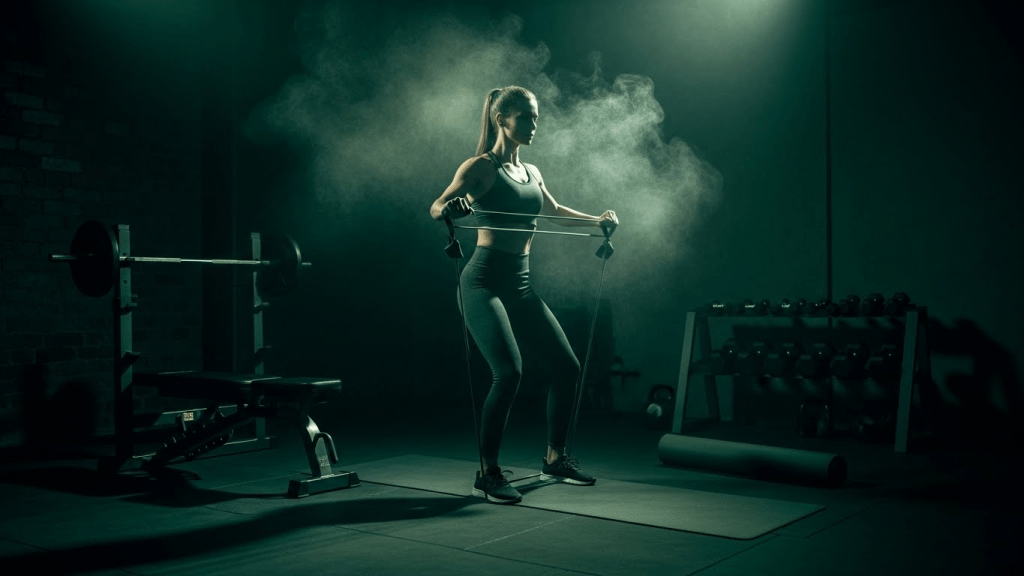
Resistance bands are elastic training tools that provide variable tension for strength, mobility, and functional training. They are lightweight, portable, and highly versatile, making them perfect for home gyms with limited space. Resistance bands can be used alone for bodyweight exercises or combined with weights to increase intensity, improve flexibility, and add variety to strength training routines.
What Resistance Bands Are Used For
Strength Training and Muscle Activation
Resistance bands are used to perform exercises targeting all major muscle groups. They provide continuous tension throughout the range of motion, which helps activate muscles more effectively and allows for controlled, joint-friendly strength work.
Rehabilitation and Mobility
Bands are commonly used in physical therapy and mobility routines. Their low-impact resistance is ideal for improving joint stability, increasing flexibility, and assisting in injury recovery while maintaining or rebuilding strength.
Versatile Functional Training
Resistance bands are excellent for functional and accessory exercises such as pull-aparts, presses, squats, and lateral walks. They enhance movement patterns that mimic real-life activities, improving coordination, balance, and core stability.
Why You Need Resistance Bands
Compact and Travel-Friendly
Resistance bands are lightweight and easy to store, making them ideal for small spaces or on-the-go workouts. Unlike traditional weights, they can be packed in a bag or drawer, allowing strength training anywhere.
Progressive Resistance for All Levels
Bands come in varying tension levels, allowing users to choose light, medium, or heavy resistance. This makes them suitable for beginners, intermediate, and advanced lifters, as resistance can be increased or decreased as strength improves.
Enhances Flexibility and Functional Strength
Resistance bands not only build strength but also improve range of motion and functional movement patterns. They are ideal for warm-ups, mobility drills, and dynamic exercises that complement traditional weight training.
What to Consider When Buying Resistance Bands
- Resistance Levels and Color Coding: Choose bands with multiple tension levels for gradual progression and a range of exercises.
- Durability and Material Quality: Look for thick, high-quality latex or synthetic bands that resist snapping or stretching over time.
- Attachment Options: Consider whether the bands include handles, door anchors, or ankle straps for versatility in exercises.
How Much Do Resistance Bands Cost?
| Price Tier | Typical Cost Range | What You Get |
|---|---|---|
| Budget | $10 – $25 | Single or small set of basic bands, suitable for beginners or light resistance training. |
| Mid-Range | $25 – $50 | Set of multiple bands with different resistance levels and optional handles or anchors for more variety. |
| Premium | $50 – $100+ | Heavy-duty, commercial-grade bands with versatile attachments, suitable for frequent, high-intensity use. |
Kettlebells
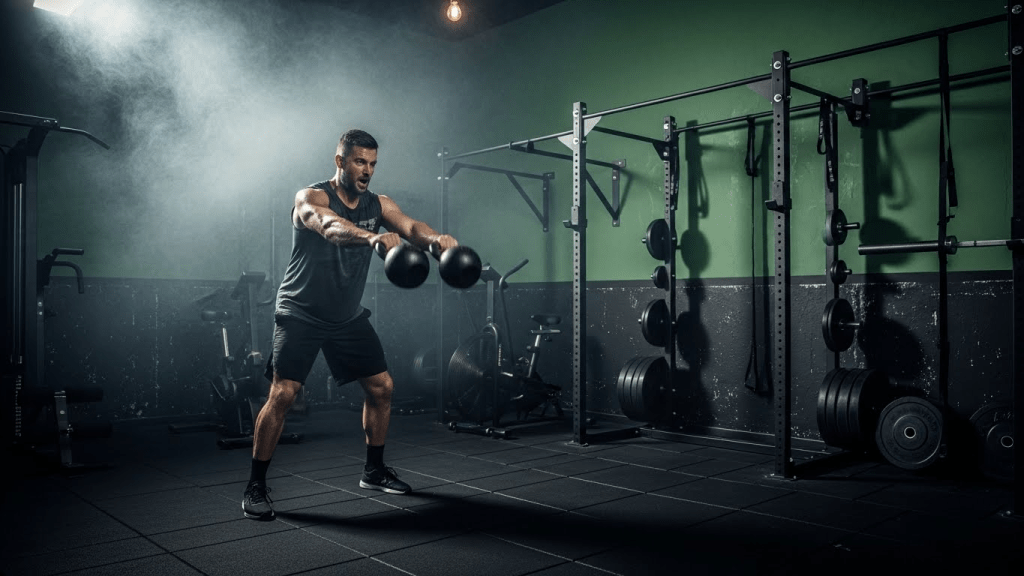
Kettlebells are compact, cast-iron or steel weights with a handle that allows for dynamic, ballistic, and strength-based exercises. Unlike traditional dumbbells, their unique shape enables swinging movements that develop power, coordination, and grip strength while also improving cardiovascular fitness. Kettlebells are a versatile addition to any home gym, supporting both strength and functional training.
What Kettlebells Are Used For
Functional Strength and Power
Kettlebells are used to build functional strength through dynamic movements like swings, cleans, snatches, and Turkish get-ups. These exercises engage multiple muscle groups simultaneously, improving power output, stability, and athletic performance.
Cardiovascular Conditioning
High-repetition kettlebell workouts, such as circuits or interval training, elevate heart rate while building muscular endurance. This combination of strength and cardio makes kettlebells ideal for metabolic conditioning and fat loss.
Grip and Core Development
Many kettlebell exercises challenge grip strength and core stability. Movements like swings, carries, and presses require continuous engagement of the hands, forearms, and midsection, enhancing overall functional strength and posture.
Why You Need Kettlebells
Versatile Full-Body Training
Kettlebells allow you to perform both strength and conditioning exercises without additional equipment. Their unique shape and dynamic movement patterns make them suitable for squats, presses, swings, rows, and more, providing a complete full-body workout.
Combines Strength and Cardio
Unlike static weights, kettlebells naturally incorporate dynamic, flowing movements that elevate heart rate. This combination allows you to build muscle, endurance, and cardiovascular fitness in one efficient workout.
Improves Coordination and Stability
Kettlebell exercises challenge balance, timing, and body control. Repeated practice enhances neuromuscular coordination, making everyday movements easier and reducing the risk of injury.
What to Consider When Buying Kettlebells
- Weight Range: Select kettlebells appropriate for your current strength and training goals, with options for progressive overload.
- Handle Design and Grip: Smooth, well-sized handles improve comfort and control during swings and presses.
- Material and Durability: Cast-iron, steel, or coated kettlebells resist wear and last for long-term use in home environments.
How Much Do Kettlebells Cost?
| Price Tier | Typical Cost Range | What You Get |
|---|---|---|
| Budget | $20 – $50 | Basic single kettlebell suitable for beginners and light workouts. |
| Mid-Range | $50 – $120 | Wider weight selection, better handle quality, and improved durability for regular use. |
| Premium | $120 – $300+ | High-quality steel or cast-iron kettlebells, ideal for advanced training and frequent use. |
Smith Machines
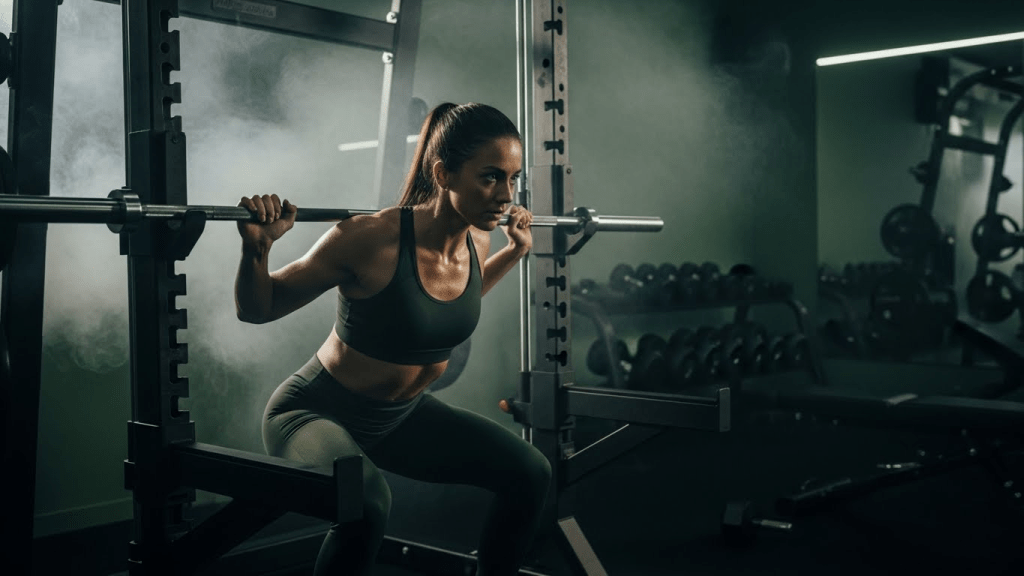
Smith machines are guided weightlifting systems consisting of a barbell fixed within steel rails that allow only vertical or slightly angled movement. This guided design provides stability and safety during pressing, squatting, and other barbell-based exercises. Smith machines are especially useful in home gyms for lifters who want to train alone while minimizing the risk of injury.
What Smith Machines Are Used For
Controlled Barbell Exercises
Smith machines are used to perform presses, squats, and other compound lifts with a controlled path of motion. The guided bar reduces the need for perfect balance, allowing users to focus on strength development while maintaining proper form.
Isolation and Accessory Movements
Beyond compound lifts, Smith machines can assist in accessory exercises such as calf raises, shrugs, and upright rows. The stability of the machine makes it easier to target specific muscles without worrying about balance or stabilization.
Safety for Solo Training
One of the main advantages of Smith machines is the ability to lift heavy weights safely without a spotter. Adjustable safety stops allow the bar to be locked at different heights, reducing the risk of injury during failed lifts.
Why You Need a Smith Machine
Enhances Safety During Heavy Lifts
The built-in guided system provides security and control, making it safer to train without a spotter. This is particularly valuable for beginners or those lifting at home where supervision is limited.
Supports Proper Form and Technique
The fixed bar path helps users maintain proper alignment and reduces the risk of improper form. This makes it easier to learn new exercises and reduces strain on joints and connective tissue.
Versatile Training Tool
Smith machines support both major compound lifts and targeted accessory exercises. This versatility allows a wide range of strength training options in a single piece of equipment, maximizing home gym efficiency.
What to Consider When Buying a Smith Machine
- Bar Path and Range of Motion: Ensure the machine allows for natural movement angles for squats, presses, and other lifts.
- Weight Capacity and Build Quality: A higher weight capacity and sturdy construction are critical for safe heavy lifting.
- Safety Features and Adjustability: Adjustable safety catches and hooks should be easy to use and reliable for effective solo training.
How Much Do Smith Machines Cost?
| Price Tier | Typical Cost Range | What You Get |
|---|---|---|
| Budget | $300 – $600 | Basic guided barbell system suitable for beginners and moderate lifting. |
| Mid-Range | $600 – $1,200 | Higher build quality, smoother movement, and greater weight capacity for regular training. |
| Premium | $1,200 – $2,500+ | Heavy-duty construction with advanced safety features, suitable for serious home lifters and frequent use. |
Cable Machines

Cable machines are versatile strength training tools that use a system of pulleys and adjustable weight stacks or plates to provide constant tension throughout an exercise. They allow for a wide range of movements targeting every major muscle group, from pressing and pulling to rotational and diagonal patterns. Cable machines are ideal for home gyms seeking functional strength, variety, and controlled resistance.
What Cable Machines Are Used For
Constant Tension Training
Cable machines are used to provide consistent resistance throughout the entire range of motion. This constant tension helps improve muscle activation and strength development more effectively than free weights in certain isolation movements.
Functional and Multi-Plane Movements
Cables allow for exercises that mimic real-life motions, including rotations, diagonals, and unilateral movements. This makes them excellent for functional training, improving coordination, balance, and overall athleticism.
Isolation and Accessory Work
Beyond compound movements, cable machines are ideal for accessory exercises like tricep pushdowns, bicep curls, lateral raises, and face pulls. These exercises help target specific muscles and improve overall muscle symmetry.
Why You Need a Cable Machine
Versatility in Exercise Options
Cable machines allow you to perform a wide variety of exercises without needing multiple pieces of equipment. This versatility is ideal for home gyms with limited space while still supporting comprehensive strength training programs.
Controlled and Joint-Friendly Resistance
The smooth, guided movement of cable machines reduces stress on joints and connective tissues compared to free weights. This makes them suitable for beginners, older adults, or anyone recovering from injury.
Supports Functional and Balanced Strength
Because cables allow multi-directional movements, they help improve stability, posture, and functional strength. Training in multiple planes translates better to real-life movements and athletic performance.
What to Consider When Buying a Cable Machine
- Pulley System Quality: Look for smooth, durable pulleys to ensure consistent resistance and long-term reliability.
- Weight Stack or Plate Compatibility: Ensure the weight options provide enough resistance for your current and future strength levels.
- Size and Footprint: Cable machines can take up significant space; verify that your home gym can accommodate the equipment.
How Much Do Cable Machines Cost?
| Price Tier | Typical Cost Range | What You Get |
|---|---|---|
| Budget | $300 – $700 | Basic cable system suitable for light to moderate home workouts. |
| Mid-Range | $700 – $1,500 | Improved pulley system, higher weight capacity, and more exercise options for regular training. |
| Premium | $1,500 – $3,000+ | Heavy-duty construction with versatile attachments, ideal for advanced training and full-body programs. |
Bodyweight Training Tools

Bodyweight training tools are equipment designed to enhance exercises that use your own body weight for resistance. These include pull-up bars, dip stations, push-up handles, parallettes, and suspension trainers. They are compact, versatile, and excellent for building strength, stability, and functional fitness in a home gym setting.
What Bodyweight Training Tools Are Used For
Upper-Body Strength
Tools like pull-up bars, dip stations, and push-up handles allow you to target muscles in the back, chest, shoulders, and arms. Bodyweight exercises can be progressively intensified by adjusting leverage, tempo, or adding external resistance.
Core and Stability Training
Suspension trainers and parallettes engage core muscles for stability, balance, and coordination. Movements such as planks, pikes, and rollouts challenge the midsection while enhancing functional strength.
Functional Movement Patterns
Bodyweight tools encourage natural, multi-joint movements that mimic everyday activities. These exercises improve mobility, balance, and neuromuscular coordination, reducing the risk of injury and enhancing overall athletic performance.
Why You Need Bodyweight Training Tools
Minimal Space and Cost
Bodyweight tools are compact and affordable, making them ideal for small home gyms or apartment setups. They require minimal storage and can often be installed on walls, doors, or ceilings.
Progressive and Scalable Training
Exercises can be easily modified for different fitness levels by changing leverage, hand position, or range of motion. This makes bodyweight tools suitable for beginners and advanced users alike.
Enhances Functional Strength and Mobility
Because these tools support natural movement patterns, they help build strength that translates directly to daily life and sports. They improve balance, coordination, and joint health while training multiple muscle groups simultaneously.
What to Consider When Buying Bodyweight Training Tools
- Stability and Mounting Options: Ensure that bars, dip stations, or suspension trainers are secure and capable of supporting your weight safely.
- Durability and Material Quality: Look for high-quality steel, reinforced straps, or commercial-grade plastics to withstand frequent use.
- Exercise Versatility: Choose tools that allow multiple exercises or adjustments to maximize value and training variety.
How Much Do Bodyweight Training Tools Cost?
| Price Tier | Typical Cost Range | What You Get |
|---|---|---|
| Budget | $20 – $50 | Basic pull-up bar, push-up handles, or simple suspension trainer for beginners. |
| Mid-Range | $50 – $150 | More versatile and durable options with adjustable configurations and attachments. |
| Premium | $150 – $400+ | Heavy-duty, multi-functional stations with high weight capacity and advanced features. |
Weighted Vests
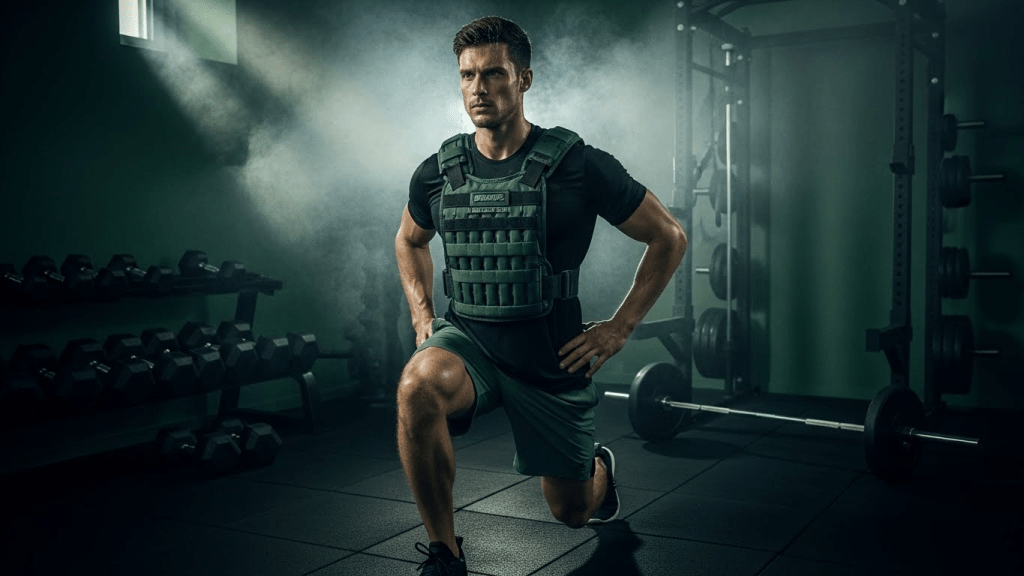
A weighted vest is a wearable training accessory that adds extra load to your body during exercise by distributing weight evenly across the torso. They are used to increase the intensity of bodyweight movements and enhance strength, endurance, and calorie burn. Weighted vests are especially useful in home gyms where space is limited but training variety and progression are priorities.
What Weighted Vests Are Used For
Intensifying Cardio and Bodyweight Training
Weighted vests are used to make bodyweight exercises—such as push‑ups, squats, lunges, and step‑ups—more challenging. The added load increases cardiovascular effort and elevates heart rate, making standard movements more demanding and effective.
Strength and Endurance Enhancement
By increasing the resistance of everyday movements, weighted vests help build muscular endurance and strength. This is particularly valuable for conditioning workouts, walking or stair climbing, and dynamic functional exercise routines.
Progressive Overload for Functional Movements
Weighted vests allow you to apply progressive overload without adding traditional weights. This means you can increase training intensity gradually, making them a useful tool for long‑term progression in a wide range of bodyweight and functional training exercises.
Why You Need a Weighted Vest
Boosts Caloric Expenditure
Adding weight to your body increases the energy required for each movement, leading to higher calorie burn during workouts. Whether used during cardio, circuits, or strength routines, weighted vests help intensify sessions and accelerate progress.
Enhances Strength in Functional Movements
Unlike free weights that focus on specific lifts, weighted vests make everyday and functional movements more demanding. This improves strength in real‑world movement patterns, supporting daily activities, athletic performance, and overall stability.
Portable and Space‑Efficient Progression Tool
Weighted vests occupy minimal space and can be used virtually anywhere, from living rooms to outdoor workouts. Their compact nature makes them ideal for small home gyms while still providing meaningful strength and endurance benefits.
What to Consider When Buying a Weighted Vest
- Fit and Adjustability: Ensures the vest conforms comfortably to your torso and doesn’t shift during dynamic movements.
- Weight Capacity and Increment Options: Determines how much load you can add and how finely you can progress increments over time.
- Comfort and Padding: Affects how long and comfortably you can train, especially during high‑intensity or extended workouts.
How Much Do Weighted Vests Cost?
| Price Tier | Typical Cost Range | What You Get |
|---|---|---|
| Budget | $30 – $70 | Basic vest with limited weight options, good for beginners and light progression. |
| Mid‑Range | $70 – $150 | Better materials, more weight capacity, and enhanced comfort features. |
| Premium | $150 – $250+ | High durability, adjustable weight increments, and design optimized for frequent use. |
Grip Strength Tools
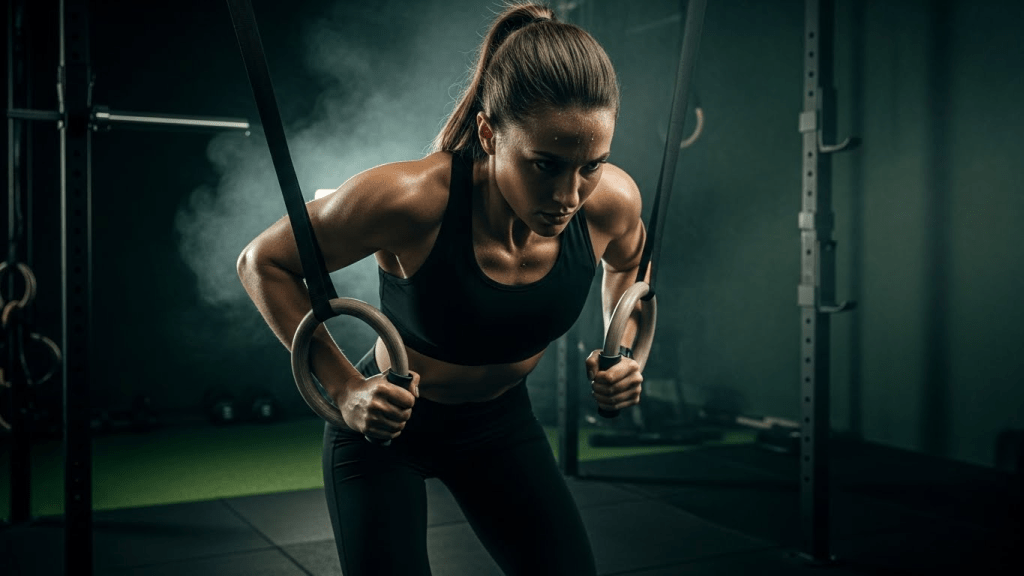
Grip strength tools are training devices designed to improve hand, wrist, and forearm strength. Common examples include grippers, pinch blocks, grip rings, and hand strengtheners. These compact tools help enhance grip endurance and power, which support better performance in pulling movements, deadlifts, holds, and everyday functional tasks. Grip strength tools are ideal for home gyms because they take up very little space yet deliver impactful strength benefits.
What Grip Strength Tools Are Used For
Improving Hand and Forearm Strength
Grip tools are commonly used to enhance the strength of the hands, fingers, and forearms. Strong grip muscles improve performance in exercises like deadlifts, pull‑ups, and rows by helping you hold heavier loads longer and with better control.
Supporting Pulling and Functional Movements
Grip strength plays a significant role in compound lifts and functional activities. Tools like grippers and pinch blocks isolate and strengthen the muscles involved in gripping, which transfers to improved performance in everyday tasks and resistance training movements.
Injury Prevention and Joint Stability
Grip strength tools also contribute to joint stability in the wrists and forearms. By strengthening the supportive musculature, these tools help reduce the risk of overuse injuries, tendon strain, and discomfort associated with weak grip mechanics.
Why You Need Grip Strength Tools
Transfers Strength to Major Lifts
A strong grip enables you to hold heavier weights for longer periods, directly influencing performance in exercises like deadlifts, rows, farmer’s carries, and pull‑ups. Improving grip strength can unlock performance gains across many strength movements.
Boosts Functional Fitness
Grip strength isn’t just about lifting weights—it’s critical for carrying groceries, opening doors, climbing, and other everyday activities. Grip tools help build this essential capability, making daily functional tasks easier and safer.
Small, Affordable, and Space‑Efficient
Grip strength tools are compact and inexpensive compared to most gym equipment, making them accessible for nearly any home gym setup. Their small size means they can be used anywhere, making it easy to add grip work to any training session.
What to Consider When Buying Grip Strength Tools
- Tool Type and Focus: Choose grip trainers that suit your goals—crush grip, pinch grip, or wrist/forearm strengthening.
- Resistance Levels: Look for tools with progressive resistance to ensure gradual strength gains over time.
- Build Quality and Comfort: Durable materials and comfortable grips improve longevity and user experience during frequent use.
How Much Do Grip Strength Tools Cost?
| Price Tier | Typical Cost Range | What You Get |
|---|---|---|
| Budget | $10 – $25 | Basic grip trainers or bands suitable for beginners and light grip work. |
| Mid‑Range | $25 – $50 | Adjustable resistance tools and higher durability for regular use. |
| Premium | $50 – $100+ | Heavy‑duty grippers, pinch blocks, and advanced devices for sustained progression and frequent training. |
Medicine Balls

Medicine balls are weighted, round training tools used for explosive strength, power development, core conditioning, and dynamic movement exercises. Unlike traditional dumbbells or kettlebells, medicine balls are designed for throwing, catching, twisting, and full‑body coordination drills. They are versatile, space‑efficient, and ideal for home gyms that focus on strength, athletic conditioning, and functional fitness.
What Medicine Balls Are Used For
Explosive Power and Plyometric Training
Medicine balls are used in ballistic and plyometric movements such as chest passes, overhead throws, slams, and rotational tosses. These exercises develop explosive strength, recruit multiple muscle groups, and elevate heart rate, making them excellent for athletic training.
Core and Functional Conditioning
Medicine balls are frequently incorporated into core‑centric exercises like Russian twists, overhead sit‑ups, and ball slams. The weighted nature of the ball increases resistance through dynamic ranges of motion, enhancing core stability, strength, and overall functional fitness.
Partner and Group Workouts
Medicine balls are also used in partner drills and aerobic conditioning circuits. Passing, catching, and synchronized movements add variety and engagement to workouts while building teamwork and coordination.
Why You Need Medicine Balls
Enhance Explosive Strength and Power
Medicine ball drills train the body to produce force quickly and efficiently—skills that are transferable to sports, dynamic daily activities, and high‑intensity workouts. They bridge the gap between pure strength training and functional, real‑world movement.
Boost Core Stability and Dynamic Control
Medicine balls require you to stabilize the body during rotational and off‑center movements. This challenges deep core musculature and improves movement resilience, posture, and balance, which supports strength work and everyday functional tasks.
Add Variety and Conditioning to Any Routine
Whether used for slams, throws, or conditioning circuits, medicine balls introduce dynamic movement into strength training. They elevate heart rate, engage multiple muscle chains, and break up the monotony of traditional lifting with energetic, game‑like exercises.
What to Consider When Buying Medicine Balls
- Weight Options and Progression: Choose a range of medicine ball weights to support skill development and progressive training.
- Ball Material and Durability: High‑quality rubber, leather, or synthetic materials resist wear from slams, throws, and frequent use.
- Grip Texture and Handling: A textured surface improves grip during dynamic movements, enhancing safety and control.
How Much Do Medicine Balls Cost?
| Price Tier | Typical Cost Range | What You Get |
|---|---|---|
| Budget | $20 – $40 | Single lightweight medicine ball suitable for beginners and light conditioning. |
| Mid‑Range | $40 – $80 | Wider weight selection with improved durability and grip, ideal for regular use. |
| Premium | $80 – $150+ | Heavy‑duty construction, excellent grip texture, and higher weight options for advanced training. |

Final Thoughts
A well-equipped home gym gives you the tools to train safely, effectively, and consistently. From adjustable dumbbells and barbells to cable machines and resistance bands, each piece of equipment serves a unique purpose for strength, endurance, and functional fitness.
The right equipment enables progressive overload, variety, and proper form, helping you achieve results similar to a commercial gym from the comfort of home. Consistency is easier when your tools are accessible, and over time, this leads to noticeable gains in strength, muscle, and overall health.
A balanced home gym combines free weights, machines, resistance bands, and bodyweight tools. Prioritize equipment that fits your space, goals, and current fitness level, and you’ll have a long-term setup that adapts as your strength and skill improve.

 Home Gym Vibe