Cardio training is one of the most important—and often misunderstood—components of fitness. Whether your goal is fat loss, heart health, endurance, athletic performance, or overall longevity, consistent cardiovascular exercise plays a critical role. As more people move away from crowded commercial gyms and toward personalized fitness spaces, interest in home cardio equipment has surged dramatically.
The challenge? Choosing the right cardio equipment for your home gym.
With dozens of options available, each offering different benefits, resistance styles, space requirements, and training effects, it’s easy to feel overwhelmed. Some machines are ideal for low-impact rehabilitation, while others are built for high-intensity conditioning. Certain tools are compact and minimalist, while others are full-scale training platforms.
In this comprehensive post, we’ll break down every major type of cardio equipment for home workouts, explaining how each works, who it’s best for, and how it fits into different fitness goals. Whether you’re building a beginner-friendly setup or designing a high-performance home gym, this article will help you make informed, confident decisions.
Home Cardio Equipment at a Glance
| Cardio Equipment Type | Impact Level | Space Needed | Intensity Range | Best For |
|---|---|---|---|---|
| Treadmills | Medium to High | Large | Low to Very High | Walking, running, endurance |
| Exercise Bikes | Low | Medium | Low to High | Joint-friendly cardio, intervals |
| Elliptical Machines | Low | Large | Medium to High | Full-body, low-impact training |
| Rowing Machines | Low to Medium | Large (lengthwise) | Medium to Very High | Full-body conditioning |
| Stair Climbers | High | Medium | High | Lower-body endurance |
| Air Bikes | Low to Medium | Medium | Very High | HIIT and conditioning |
| Ski Trainers | Low | Small | High | Upper-body cardio |
| Jump Ropes | High | Very Small | High | Agility, HIIT |
| Step Platforms | Medium | Very Small | Medium | Aerobic workouts |
| Slide Boards | Low | Medium | Medium to High | Lateral movement |
| Punching Bags | Medium | Medium | High | Cardio boxing |
| Agility Ladders | Low | Small | Medium | Speed and coordination |
| Weighted Vests | Medium to High | None | Variable | Added intensity |
| Battle Ropes | Medium | Medium | Very High | Power endurance |
Why Cardio Equipment Matters in a Home Gym
Before diving into individual machines and tools, it’s important to understand why cardio equipment deserves dedicated attention in your home gym setup.
The Role of Cardio in Overall Fitness
Cardiovascular training supports nearly every aspect of health and performance, including:
- Heart and lung efficiency
- Fat metabolism and weight management
- Blood sugar regulation
- Mental health and stress reduction
- Athletic stamina and recovery
Unlike strength training—which often focuses on short, intense efforts—cardio develops your body’s ability to sustain work over time.
Why Home Cardio Training Is So Effective
Home workouts remove many of the biggest barriers to consistency:
- No commute or waiting for equipment
- Complete privacy and comfort
- Flexible scheduling
- Custom environment and pacing
The right cardio equipment makes it easier to maintain daily or weekly movement habits, which is ultimately more important than workout complexity.
Treadmills
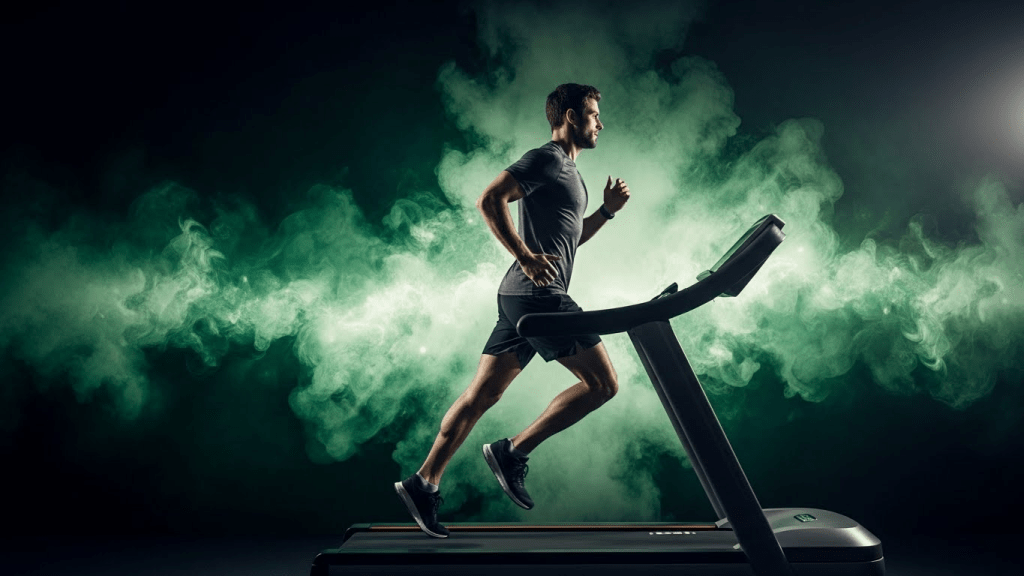
A treadmill is a stationary cardio machine that allows you to walk, jog, or run indoors at controlled speeds and incline levels. It replicates natural movement patterns while offering consistent conditions for training. Treadmills are one of the most popular and versatile pieces of home cardio equipment, suitable for beginners and experienced athletes alike.
What Treadmills Are Used For
Walking and Low-Impact Cardio
Treadmills are frequently used for walking workouts, making them ideal for beginners, older adults, and anyone easing into regular exercise. Walking on a treadmill allows for precise speed control and optional incline adjustments, which increase intensity without the joint stress associated with running.
Running and Endurance Training
For more advanced users, treadmills provide a dependable platform for jogging and running indoors. They are commonly used for endurance training, long steady-state sessions, and maintaining running routines when outdoor conditions or schedules make outdoor training impractical.
Fat Loss and Calorie-Burning Workouts
Treadmills are highly effective for calorie-burning workouts due to their ability to combine speed and incline. Incline walking, interval training, and tempo runs allow users to significantly increase energy expenditure, making treadmills a popular choice for weight loss and metabolic conditioning.
Why You Need a Treadmill
Versatile Cardio for All Fitness Levels
A treadmill can adapt to nearly any fitness level, from slow-paced walking to high-speed running. This flexibility allows beginners to start safely while giving advanced users the ability to push intensity. As your fitness improves, the same treadmill can continue to support progressively more challenging workouts.
Consistent, Weather-Proof Training
One of the biggest advantages of owning a treadmill is the ability to train consistently indoors. Weather, daylight, and seasonal changes no longer interfere with your routine. Having a treadmill at home removes common barriers to exercise and makes it easier to maintain long-term cardio habits.
Simple Progress Tracking and Control
Treadmills make it easy to control and monitor speed, incline, distance, and time. This structured environment supports goal-driven training, whether you are improving endurance, increasing daily step counts, or following a progressive cardio plan. The ability to fine-tune intensity helps ensure steady improvement over time.
What to Consider When Buying a Treadmill
Space Requirements and Room Layout
Treadmills typically require more floor space than many other types of cardio equipment. Before purchasing, it’s important to measure your available area and ensure there is enough clearance for safe use. Ceiling height also matters, especially for taller users or runners. In smaller home gyms, storage or foldability may be a key consideration.
Impact Level and Joint Comfort
Running and jogging on a treadmill involve repeated impact, which can place stress on the knees, hips, and ankles. While walking and incline walking are lower-impact options, users with joint concerns should carefully consider comfort and long-term sustainability. Surface feel and shock absorption play a role in how the machine feels during extended workouts.
Noise and Household Environment
Treadmills can produce noticeable noise, particularly during running sessions. This can be an important factor in apartments, shared living spaces, or homes with sleeping children. The location of the treadmill and the type of workouts performed should align with your household environment to avoid disruption.
How Much Does a Treadmill Cost?
| Price Tier | Typical Cost Range | What You Get |
|---|---|---|
| Budget | $100 – $800 | Basic functionality for walking and light jogging. Smaller running surfaces, limited incline options, and lower motor capacity. |
| Mid-Range | $800 – $1,800 | More powerful motor, longer belt, incline features, and improved durability. Suitable for regular walking, jogging, and moderate running. |
| Premium | $1,800 – $3,000+ | High-capacity construction, spacious running deck, advanced controls, and enhanced comfort. Designed for frequent use and high-intensity running. |
Exercise Bikes
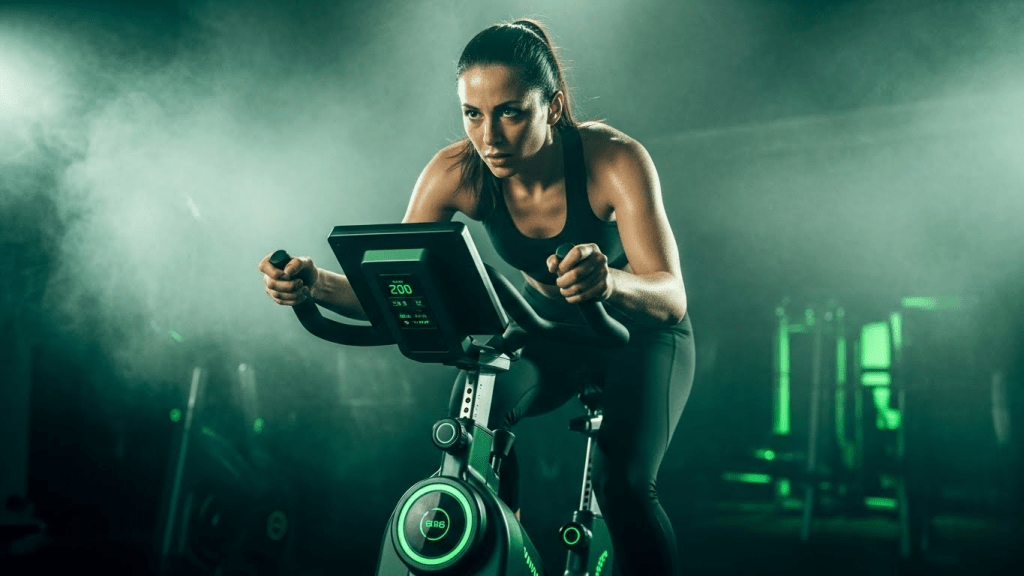
An exercise bike is a stationary cardio machine that allows you to pedal at varying resistance levels to improve cardiovascular fitness. It provides a low-impact workout that is easy on the joints while still delivering effective calorie burn. Exercise bikes are a popular choice for home gyms due to their versatility, comfort, and ease of use.
What Exercise Bikes Are Used For
Low-Impact Cardiovascular Training
Exercise bikes are widely used for low-impact cardio, making them ideal for people with joint sensitivity or those recovering from injuries. The seated pedaling motion reduces stress on the knees, hips, and ankles while still elevating heart rate and improving cardiovascular endurance.
Endurance and Steady-State Workouts
Exercise bikes are well-suited for longer, steady-state cardio sessions. Users can maintain a consistent pace for extended periods, which helps build aerobic endurance, improve heart health, and support fat metabolism without excessive fatigue or joint strain.
Interval and High-Intensity Training
Despite their low-impact nature, exercise bikes can also be used for high-intensity interval training. Increasing resistance or pedaling speed during short bursts allows users to perform challenging workouts that improve conditioning, burn calories efficiently, and fit into shorter training windows.
Why You Need an Exercise Bike
Joint-Friendly Cardio for Consistent Training
An exercise bike allows you to train frequently without placing excessive stress on your joints. This makes it easier to stay consistent with cardio, especially for individuals who find running or jumping uncomfortable. Consistent, low-impact movement supports long-term cardiovascular health and sustainable fitness habits.
Adjustable Intensity for All Fitness Levels
Exercise bikes offer a wide range of resistance levels, allowing workouts to be easily adjusted. Beginners can start with light resistance, while advanced users can push intensity with harder pedaling and interval sessions. This adaptability ensures the bike remains useful as your fitness level improves.
Convenient and Space-Efficient Home Workouts
Compared to many other cardio machines, exercise bikes typically require less floor space and fit well into home gyms, bedrooms, or living areas. Their compact footprint and quiet operation make them an excellent option for home use, particularly in shared or limited spaces.
What to Consider When Buying an Exercise Bike
Comfort and Seating Position
Comfort plays a major role in how often you will use an exercise bike. Seat height, seat cushioning, and overall riding posture should support proper alignment and minimize discomfort during longer workouts. A comfortable setup encourages longer sessions and helps prevent soreness or strain over time.
Resistance Type and Intensity Range
Different exercise bikes offer varying resistance mechanisms, which influence how challenging the workouts can be. It’s important to choose a bike that provides enough resistance for your current fitness level while also allowing room for progression. A smooth and consistent resistance feel improves the overall training experience.
Stability and Build Quality
A stable exercise bike is essential for safety and comfort, especially during higher-intensity workouts. The frame should feel solid and secure during pedaling, even when standing or increasing resistance. Long-term durability is also important for home gyms where equipment is used regularly.
How Much Does an Exercise Bike Cost?
| Price Tier | Typical Cost Range | What You Get |
|---|---|---|
| Budget | $200 – $600 | Basic pedaling resistance, compact size, and simple controls. Suitable for light cardio and beginner workouts. |
| Mid-Range | $600 – $1,200 | Smoother resistance, better comfort, improved stability, and greater adjustability. Ideal for regular steady-state and interval training. |
| Premium | $1,200 – $2,500+ | Heavy-duty construction, wide resistance range, enhanced comfort, and advanced training features. Designed for frequent use and higher-intensity cycling. |
Elliptical Machines
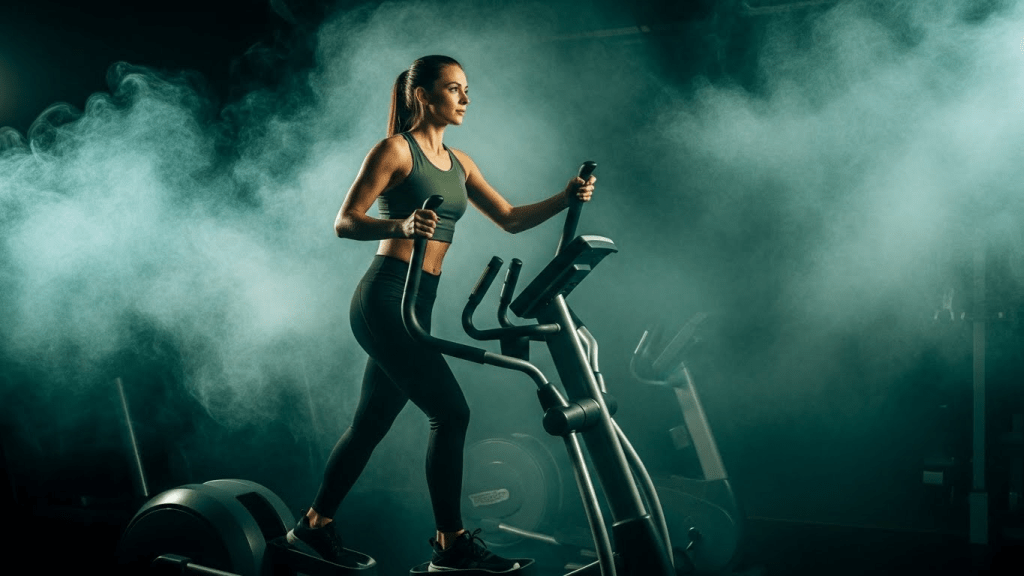
An elliptical machine is a low-impact cardio device that simulates walking, running, or stair climbing with a smooth, gliding motion. It engages both the upper and lower body, providing a full-body workout while minimizing stress on the joints. Ellipticals are popular for home gyms because they combine cardiovascular conditioning with muscle engagement in a compact, versatile format.
What Elliptical Machines Are Used For
Low-Impact Cardiovascular Training
Elliptical machines are ideal for low-impact cardio workouts. The gliding motion reduces stress on knees, hips, and ankles while still providing an effective cardiovascular stimulus. This makes ellipticals a popular choice for those with joint concerns or recovering from injury.
Full-Body Conditioning
Unlike many other cardio machines, ellipticals engage both the upper and lower body. Moving handles allow the arms, shoulders, and core to participate in the workout, making it an efficient way to combine cardio and strength-focused endurance training in one session.
Interval and Variable-Intensity Workouts
Elliptical machines can easily accommodate interval training. By adjusting resistance levels or incline, users can create short bursts of high-intensity effort followed by recovery periods. This versatility supports fat burning, endurance improvement, and metabolic conditioning.
Why You Need an Elliptical Machine
Joint-Friendly Exercise for Sustainable Training
Ellipticals provide a cardiovascular workout with minimal joint impact. This allows users to train more frequently and consistently without the wear and tear associated with running or high-impact exercise, supporting long-term cardiovascular health and fitness.
Total-Body Engagement
With moving handles and coordinated leg motion, elliptical machines work multiple muscle groups simultaneously. Engaging both the upper and lower body enhances calorie burn, improves overall strength, and helps maintain balanced muscle development compared to machines that target only the lower body.
Customizable Intensity Levels
Ellipticals offer adjustable resistance and incline, giving users full control over workout intensity. Beginners can focus on light, steady-state cardio, while advanced users can perform challenging intervals or high-resistance sessions to maximize cardiovascular conditioning and fat loss.
What to Consider When Buying an Elliptical Machine
Footprint and Space Requirements
Elliptical machines typically take up a significant amount of floor space, especially models with longer strides or adjustable incline. Before purchasing, ensure your home gym can accommodate the machine with enough clearance for safe operation, and consider foldable or compact options if space is limited.
Stride Length and Motion Comfort
Stride length is a critical factor in comfort and effectiveness. A stride that is too short may feel restrictive for taller users, while a stride that is too long may be awkward for shorter users. Testing or reviewing stride ranges ensures a smooth, natural motion that suits your body type.
Resistance and Incline Adjustability
The ability to adjust resistance and incline expands the range of workouts you can perform. Look for machines that allow fine control over these features so you can vary intensity, incorporate intervals, and continue challenging yourself as your fitness improves.
How Much Does an Elliptical Machine Cost?
| Price Tier | Typical Cost Range | What You Get |
|---|---|---|
| Budget | $300 – $700 | Basic elliptical motion, limited resistance levels, and compact design. Suitable for light, low-impact cardio. |
| Mid-Range | $700 – $1,500 | Smoother motion, more resistance and incline options, and better stability. Ideal for consistent steady-state and interval training. |
| Premium | $1,500 – $3,000+ | Heavy-duty construction, long stride, advanced resistance and incline control, and additional features like workout programs and performance tracking. Designed for frequent, high-intensity use. |
Rowing Machines
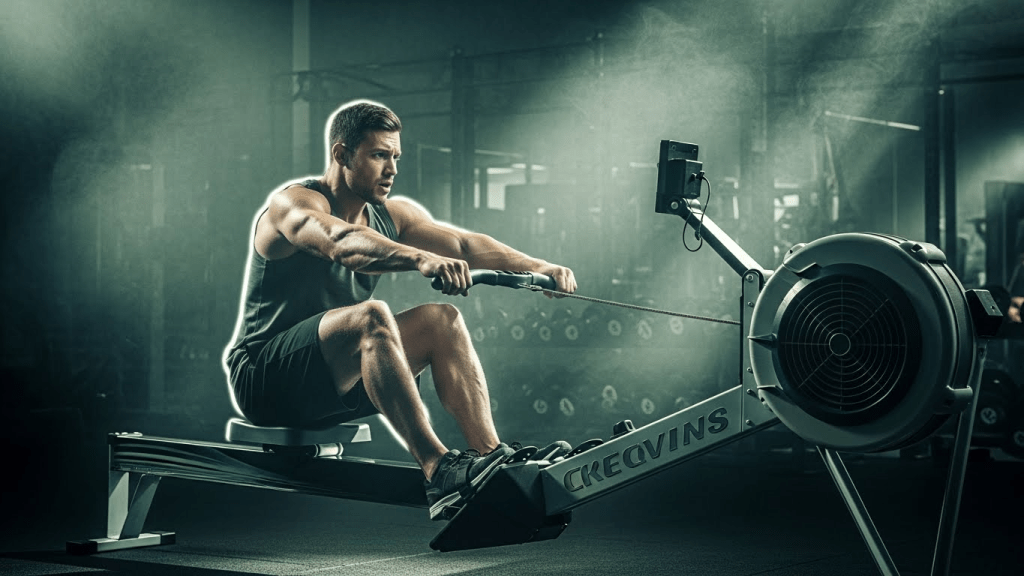
A rowing machine is a cardio device that simulates the motion of a boat rowing through water, engaging both the upper and lower body in a coordinated pulling and sliding movement. It delivers an efficient, full-body cardio workout while remaining low-impact on the joints. Rowing machines are valued in home gyms for their ability to build endurance and strength simultaneously.
What Rowing Machines Are Used For
Full-Body Cardiovascular Conditioning
Rowing machines are used for comprehensive cardio workouts that engage legs, back, arms, and core. The coordinated, rhythmic motion elevates heart rate while strengthening major muscle groups, making it an effective tool for overall cardiovascular development.
Endurance and Steady-State Training
Rowers are excellent for steady-state training, where users maintain a consistent pace for extended sessions. This type of training improves aerobic capacity, stamina, and metabolic efficiency without imposing high joint stress.
Interval and High-Intensity Training
Rowing machines are also suited to high-intensity interval training (HIIT). By increasing stroke rate and resistance in short bursts, users can maximize calorie burn, enhance anaerobic capacity, and improve cardiovascular performance in shorter workout windows.
Why You Need a Rowing Machine
Balanced Full-Body Workouts
Rowing machines uniquely combine upper-body, lower-body, and core engagement in every stroke. This balanced recruitment of muscle groups increases caloric expenditure and supports functional strength, unlike many cardio machines that focus primarily on lower-body movement.
Low-Impact Cardio That Spares Joints
Rowing offers high cardiovascular demand without the impact associated with running or jumping. The smooth seated motion reduces stress on knees, hips, and ankles, making rowing a viable option for users managing joint concerns or rehabilitating from injury.
Efficient Calorie Burn in Less Time
Rowing machines allow you to burn a significant number of calories in relatively short sessions due to the full-body nature of the workout. Whether you choose longer steady-state sessions or short interval bursts, rowing supports efficient metabolism and fitness gains in less overall time.
What to Consider When Buying a Rowing Machine
Footprint and Storage Requirements
Rowing machines typically require a long footprint due to the sliding seat and rail design. Before purchasing, measure your available space and ensure there is enough room for both the machine’s length and user movement. Some models offer upright storage, which can be helpful in smaller areas.
Resistance Mechanism and Feel
Different rowing machines use varying resistance systems, including air, magnetic, water, or hybrid mechanisms. Each provides a unique rowing feel and resistance profile. It’s important to consider how smooth and natural the resistance feels, as this influences both comfort and the effectiveness of workouts.
Seat Comfort and Ergonomics
Since rowing involves repetitive seated motion, the seat and handle ergonomics are crucial for user comfort. Quality cushioning and proper positioning help maintain good posture during longer sessions, reduce fatigue, and prevent discomfort that might deter consistent training.
How Much Does a Rowing Machine Cost?
| Price Tier | Typical Cost Range | What You Get |
|---|---|---|
| Budget | $250 – $700 | Basic resistance type and simple features. Suitable for foundational cardiovascular workouts and occasional use. |
| Mid-Range | $700 – $1,500 | Smoother resistance, more adjustability, and enhanced build quality. Good for regular steady-state and interval training. |
| Premium | $1,500 – $2,500+ | Advanced resistance feel, higher durability, and additional performance tracking. Ideal for frequent use and high-intensity training. |
Stair Climbers
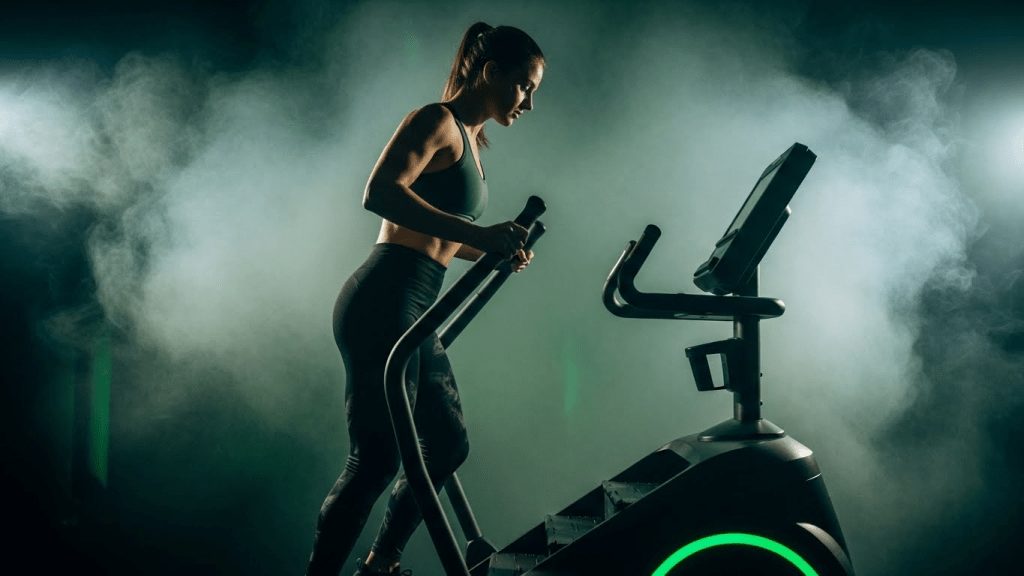
A stair climber is a cardio machine that replicates the motion of walking or running up an endless staircase. It provides a high-intensity, lower-body-focused workout that strengthens the legs and glutes while improving cardiovascular endurance. Stair climbers are particularly popular in home gyms for their efficiency in burning calories and building muscular stamina. They offer a time-effective way to achieve both cardio and lower-body conditioning in a single session.
What Stair Climbers Are Used For
Lower-Body Cardiovascular Conditioning
Stair climbers are commonly used to raise heart rate while simultaneously targeting the muscles of the lower body. The repeated stepping motion engages the glutes, quadriceps, hamstrings, and calves, creating a combination of cardiovascular and muscular effort. This makes stair climbers effective for building endurance while maintaining heart health.
Strength and Muscular Endurance
These machines help develop muscular endurance in the legs through continuous, repetitive motion. Unlike other cardio machines that primarily focus on aerobic capacity, stair climbers actively strengthen the lower body, providing benefits similar to resistance training while also elevating the heart rate.
Fat Loss and High-Calorie Workouts
Stair climbers are excellent for calorie-burning workouts. The combination of sustained cardiovascular effort and engagement of large lower-body muscles results in a high-energy expenditure, making them particularly effective for fat loss and metabolic conditioning. They allow users to perform steady-state or interval workouts that maximize efficiency in a limited amount of time.
Why You Need a Stair Climber
Efficient Calorie Burn
One of the main advantages of a stair climber is its ability to burn a significant number of calories in a relatively short period. Because the machine requires the coordinated effort of large muscle groups in the legs and glutes, even moderate sessions can deliver substantial energy expenditure. This makes it a powerful tool for both weight loss and cardiovascular conditioning.
Stronger and Toned Lower Body
Regular stair climbing builds strength, endurance, and tone in the legs and glutes. The continuous motion strengthens the muscles used in everyday activities, improves overall stability, and enhances athletic performance. Over time, users may notice improved posture, better mobility, and more powerful lower-body movements.
Time-Saving, High-Intensity Workouts
Stair climbers are particularly useful for people with limited workout time who still want a challenging cardiovascular session. Short intervals on the stair climber can achieve similar fitness benefits to longer sessions on other machines. Its combination of intensity and efficiency makes it ideal for busy schedules or for those who want maximum results in minimal time.
What to Consider When Buying a Stair Climber
Machine Footprint and Space
Stair climbers can be relatively large, and the space they occupy should be considered before purchasing. The machine needs enough room for safe access and for the natural stepping motion without risk of hitting walls or furniture. Some home-friendly models are more compact and foldable, making them ideal for smaller spaces, while full-sized units are better suited for dedicated gym areas.
Impact and Joint Comfort
Although stair climbers are generally low-impact in terms of vertical force, the repetitive stepping motion can still feel intense for some users, especially during high-intensity sessions. People with preexisting knee or hip issues should consider models with cushioned or smoother stepping mechanisms. Comfort and proper form are key to sustaining longer workouts without discomfort or injury.
Resistance Range and Adjustability
The ability to adjust resistance is crucial for making the stair climber suitable for all fitness levels. A wide resistance range allows beginners to start at a manageable intensity while still offering a challenge for advanced users performing high-intensity intervals. Machines that allow precise control over resistance and speed provide greater versatility, helping users progress over time.
How Much Does a Stair Climber Cost?
| Price Tier | Typical Cost Range | What You Get |
|---|---|---|
| Budget | $500 – $900 | Basic stepping motion with minimal resistance control. Suitable for occasional use and beginner cardio sessions. |
| Mid-Range | $900 – $1,800 | Smoother motion, enhanced resistance options, and better stability for regular use. Ideal for consistent cardio and interval training. |
| Premium | $1,800 – $3,000+ | Heavy-duty construction, advanced resistance control, refined stepping feel, and additional features like built-in programs and performance tracking. Designed for frequent, high-intensity training sessions. |
Air Bikes

An air bike is a type of stationary cardio machine that uses a large front fan to generate resistance—the harder you pedal and push or pull the handles, the greater the resistance becomes. This design provides a full-body cardiovascular workout by engaging both the upper and lower body simultaneously. Air bikes are widely used in home gyms due to their versatility, effectiveness for conditioning, and ability to support both steady-state and high‑intensity interval training.
What Air Bikes Are Used For
Full-Body Cardiovascular Conditioning
Air bikes are used to raise heart rate quickly while engaging multiple muscle groups in a single movement pattern. The combination of pedaling with simultaneous arm movement activates the legs, core, back, and shoulders, making air bikes effective for comprehensive cardiovascular development.
High-Intensity Interval Training (HIIT)
Air bikes are especially popular for interval training because resistance increases naturally with effort. During short bursts of high intensity, the fan blades create greater resistance, challenging the cardiovascular system and improving anaerobic fitness. This makes air bikes ideal for HIIT sessions with variable intensity.
Warm-Ups and Cool-Downs
Air bikes can also be used for lower-intensity warm‑ups or cool‑downs. Their smooth pedaling motion allows users to start workouts with gentle movement that warms muscles and elevates heart rate gradually. Likewise, slower sessions after intense exercise promote recovery and circulation.
Why You Need an Air Bike
Builds Conditioning Faster
Air bikes are uniquely capable of elevating heart rate quickly due to their resistance style. This makes them highly effective for improving cardiovascular fitness and metabolic conditioning. Whether you choose sustained moderate efforts or short, intense bursts, air bikes stimulate multiple systems at once, leading to faster conditioning gains.
Engages the Whole Body
Unlike many cardio machines that focus primarily on lower-body movement, air bikes incorporate both arms and legs in every rep. The combined movement adds upper-body involvement to your cardio training, increasing calorie burn and delivering a more complete workout in a single session.
Scalable Intensity for All Fitness Levels
With air bikes, there are no fixed resistance settings—intensity naturally scales with how hard you work. Beginners can maintain a comfortable pace for gentle cardio, while advanced users can push maximum effort for challenging interval sessions. This scalable nature allows the air bike to remain useful across a wide range of fitness goals.
What to Consider When Buying an Air Bike
Footprint and Space Requirements
Air bikes typically require a moderate amount of floor space. While not as long or wide as some other cardio machines, they should still be placed where there is clearance around the user’s legs and arms during full motion. Ensure your home gym layout accommodates the bike without crowding other equipment or pathways.
Noise Level and Household Environment
Because air bikes rely on fan resistance, they tend to produce noticeable airflow noise, especially when pedaled hard. In shared living spaces, apartments, or early‑morning workouts, noise can be a consideration. Think about where the bike will be placed and whether the sound level is acceptable for your environment.
Comfort and Adjustability
Comfort features such as seat cushioning, seat height adjustability, and ergonomic handle design are important for longer workouts. A poorly fitting seat or awkward handle position can reduce training quality and discourage consistent use. Look for models that offer sufficient adjustment to match your body size and riding style.
How Much Does an Air Bike Cost?
| Price Tier | Typical Cost Range | What You Get |
|---|---|---|
| Budget | $300 – $600 | Basic air resistance system with essential features. Suitable for foundational cardio and occasional use. |
| Mid-Range | $600 – $1,200 | Improved build quality, smoother resistance feel, and better comfort adjustments. Well‑suited for regular cardio and interval sessions. |
| Premium | $1,200 – $2,500+ | Heavy‑duty construction, refined airflow resistance, enhanced comfort, and additional performance features. Designed for frequent and high‑intensity use. |
Ski Trainers
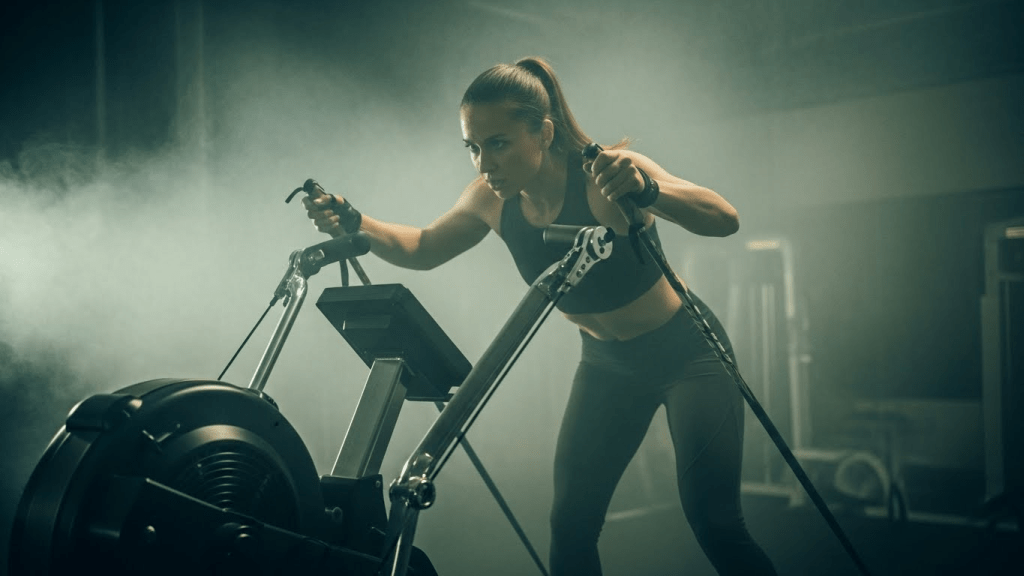
A ski trainer is a cardio machine that simulates the bilateral poling motion used in Nordic skiing. It challenges the upper body, core, and cardiovascular system through continuous push‑and‑pull movements, making it a unique alternative to traditional lower‑body‑dominant cardio equipment. Ski trainers are valued in home gyms for their compact size, full‑body engagement, and ability to support both endurance and high‑intensity training.
What Ski Trainers Are Used For
Upper‑Body Cardiovascular Conditioning
Ski trainers are used to elevate heart rate through repetitive upper‑body movement, engaging the arms, shoulders, back, and core. The coordinated push‑and‑pull motion increases cardiovascular demand, making them effective for improving aerobic capacity from the upper body.
Endurance Training
These machines support sustained, moderate‑intensity workouts that build muscular stamina and cardiovascular endurance. Users can maintain a steady pace for extended periods, which enhances endurance while strengthening upper‑body muscles often under‑trained by other cardio machines.
Interval and High‑Intensity Workouts
Ski trainers are well‑suited to high‑intensity interval training. Alternating short bursts of fast, powerful poling with periods of recovery increases heart rate rapidly and promotes both aerobic and anaerobic fitness. This makes ski trainers versatile for varied training goals.
Why You Need a Ski Trainer
Full‑Body Cardio Variety
A ski trainer introduces a movement pattern that isn’t commonly replicated by other cardio machines. By emphasizing coordinated upper‑body work along with core engagement, it broadens the scope of your cardio training. This variety can enhance overall fitness and prevent training plateaus caused by repetitive lower‑body workouts.
Builds Upper‑Body Endurance
Many cardio machines focus primarily on the lower body, but the ski trainer shifts emphasis to the upper body and core. Regular use can help strengthen muscles in the arms, shoulders, and back, improving overall muscular endurance and complementing strength training routines.
Compact and Space‑Efficient
Ski trainers are generally more compact than many other cardio machines, making them ideal for home gyms with limited space. Their smaller footprint allows you to add full‑body cardio variety without needing a large dedicated area, and they can often be stored easily when not in use.
What to Consider When Buying a Ski Trainer
Motion Comfort and Technique
Because the ski trainer focuses on an upper‑body motion pattern that may be new to many users, it’s important to consider how natural and comfortable the movement feels. A smooth, ergonomic motion reduces strain and allows longer workouts. Prioritize designs that support a fluid, natural poling action to reduce fatigue and improve performance.
Adjustability and Range of Motion
Look for machines that allow adjustments to fit your height, arm reach, and preferred movement range. Being able to customize the training position helps ensure that the motion is comfortable and effective for your body type. Adjustable resistance or difficulty levels also expand the variety of workouts you can perform.
Resistance Type and Progression
Different ski trainers use different mechanisms to generate resistance, which impacts how the workout feels and how intensity can be progressed. It’s important to choose a resistance system that matches your goals—whether that’s smooth, sustained effort for endurance or higher variability for interval training.
How Much Does a Ski Trainer Cost?
| Price Tier | Typical Cost Range | What You Get |
|---|---|---|
| Budget | $150 – $350 | Basic resistance and motion system. Suitable for light cardio, beginners, or occasional use. |
| Mid‑Range | $350 – $700 | Smoother motion feel, better build quality, and greater resistance variability. Ideal for regular cardio and interval workouts. |
| Premium | $700 – $1,500+ | Heavy‑duty construction, refined resistance mechanisms, ergonomic design, and advanced adjustability. Designed for frequent use and versatile training. |
Jump Ropes
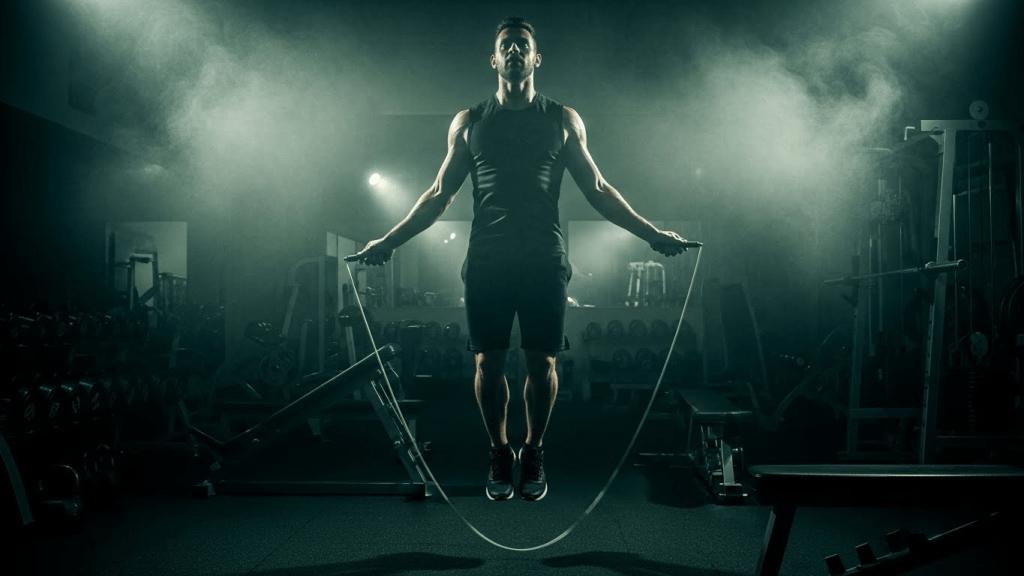
A jump rope is a simple, portable cardio tool consisting of a lightweight rope with handles that rotates as you jump over it. It delivers a high‑intensity cardiovascular workout that improves coordination, agility, and endurance. Jump ropes are extremely space‑efficient and can be used virtually anywhere, making them a staple in home and travel fitness routines.
What Jump Ropes Are Used For
High‑Intensity Cardiovascular Training
Jump ropes are commonly used for high‑intensity cardio sessions that rapidly elevate heart rate. Repeated jumps demand continuous, rhythmic movement, making them excellent for boosting cardiovascular fitness and metabolic conditioning in short periods of time.
Coordination and Agility Work
Jump rope training enhances coordination, timing, and footwork. The requirement to synchronize jumps with rope rotation sharpens motor skills, balance, and neuromuscular control, making this tool valuable for athletic conditioning as well as general fitness.
Warm‑Ups, Intervals, and Circuits
Jump ropes are frequently used as part of warm‑ups to raise core body temperature and prepare muscles for workouts. They also fit seamlessly into interval circuits, where alternating bursts of fast jumps and rest periods increase calorie burn and training intensity.
Why You Need a Jump Rope
Unmatched Portability and Accessibility
One of the biggest benefits of a jump rope is its portability. It can be stored in a drawer, a gym bag, or carried on the go, allowing you to perform cardio anywhere—even in small spaces. This convenience removes barriers to consistent training and ensures you never miss a workout due to lack of equipment or space.
Efficient Calorie Burn in Short Sessions
Jump ropes are highly effective at burning calories quickly due to their fast‑paced, full‑body movement. Even brief sessions of 10–15 minutes can deliver intense cardiovascular conditioning, making jump ropes ideal for people with tight schedules or those who prefer short, high‑impact workouts.
Improves Coordination and Athleticism
Jump rope workouts require timing, rhythm, and agility, which improve overall athletic performance. These benefits extend beyond cardio conditioning to enhance balance, footwork, and reflexes—skills valuable in many sports and functional movement patterns.
What to Consider When Buying a Jump Rope
Rope Length and Adjustability
Choosing the right rope length is essential for effective jumping. Too long and the rope will drag, causing missed jumps; too short and it will limit fluid motion. Look for jump ropes that offer easy length adjustment so you can tailor the fit for your height and jumping style for smooth, efficient workouts.
Handle Comfort and Grip
The handles play a significant role in comfort and control during jump rope sessions. Ergonomic grips reduce hand fatigue during longer intervals and help maintain proper wrist motion. Look for non‑slip materials and a shape that fits comfortably in your hand to support high‑intensity workouts without discomfort.
Rope Material and Durability
Jump ropes come in a variety of materials—from lightweight cables for speed and agility to thicker, heavier ropes for strength and resistance. Consider your primary training goals when selecting rope type, and choose durable materials that withstand frequent use on the surfaces where you’ll be jumping.
How Much Does a Jump Rope Cost?
| Price Tier | Typical Cost Range | What You Get |
|---|---|---|
| Budget | $10 – $25 | Basic rope and handle design. Suitable for occasional use and beginners. |
| Mid‑Range | $25 – $50 | Better materials, adjustable length, and more comfortable handles. Ideal for regular cardio and agility training. |
| Premium | $50 – $100+ | High‑quality materials, advanced bearings, ergonomic grips, and options designed for speed or weighted workouts. Great for frequent use and intense interval sessions. |
Step Platforms

A step platform is a raised, flat surface used for stepping exercises that elevate the heart rate while engaging the legs and core. It’s a highly versatile cardio tool that can be used for traditional step classes, aerobic routines, strength circuits, and plyometric drills. Step platforms are compact, affordable, and ideal for home workouts that blend cardio with functional movement.
What Step Platforms Are Used For
Aerobic Cardio Workouts
Step platforms are widely used in aerobic training to keep the heart rate elevated through rhythmic stepping patterns. Alternating steps on and off the platform creates continuous movement that challenges the cardiovascular system while improving lower-body stamina.
Total-Body Conditioning Circuits
Step platforms can be incorporated into circuit training, combining bursts of stepping with bodyweight moves like squats, lunges, and push-ups. This versatility allows you to blend cardiovascular training with strength and endurance work in a single session.
Plyometrics and Agility Drills
Step platforms are also useful for plyometric exercises (like box step-ups or lateral hops) and agility drills that enhance speed, coordination, and explosive power. These movements support athletic conditioning and elevate the intensity of traditional cardio routines.
Why You Need a Step Platform
Adds Variety to Cardio Workouts
Step platforms introduce dynamic movement patterns that break up monotonous cardio routines. Whether you’re following choreographed step workouts or creating your own sequence, stepping adds variety that keeps training engaging and fun—boosting adherence and performance.
Combines Cardio with Functional Movement
Because step platforms support a wide range of exercises beyond stepping, they enable efficient full-body sessions. You can seamlessly transition from cardio stepping to strength-based moves, maximizing workout effectiveness while minimizing equipment needs.
Compact, Affordable, and User-Friendly
Step platforms are among the most accessible pieces of cardio equipment. They’re lightweight, easy to store, and don’t require a dedicated workout space. This makes them ideal for home gyms of any size and for users who want an effective, low-cost cardio option.
What to Consider When Buying a Step Platform
Height Adjustability and Stability
One of the key features to look for is adjustability—you should be able to raise or lower the platform height safely as your fitness improves. At the same time, the platform should remain stable during use, with secure feet or grips that prevent slipping on different floor surfaces.
Surface Texture and Grip
The texture of the stepping surface plays a big role in comfort and safety. A platform with good grip helps prevent slips during fast-paced routines and plyometric movements. Choose a surface that provides traction without being too abrasive on your feet.
Weight Capacity and Durability
Not all step platforms are created equal in terms of weight tolerance and build quality. Check the maximum weight capacity to ensure it supports your body weight plus any additional load you may use (e.g., weighted vests or hand weights during circuits). More durable platforms also tend to last longer in home gym environments.
How Much Does a Step Platform Cost?
| Price Tier | Typical Cost Range | What You Get |
|---|---|---|
| Budget | $20 – $40 | Basic platform with fixed height and simple design. Ideal for occasional stepping and beginner workouts. |
| Mid‑Range | $40 – $80 | Adjustable height options, better stability, and more robust build quality. Great for regular cardio routines and circuits. |
| Premium | $80 – $150+ | Heavy‑duty construction, extra‑stable base, and enhanced traction. Designed for frequent use and more advanced plyometric training. |
Slide Boards
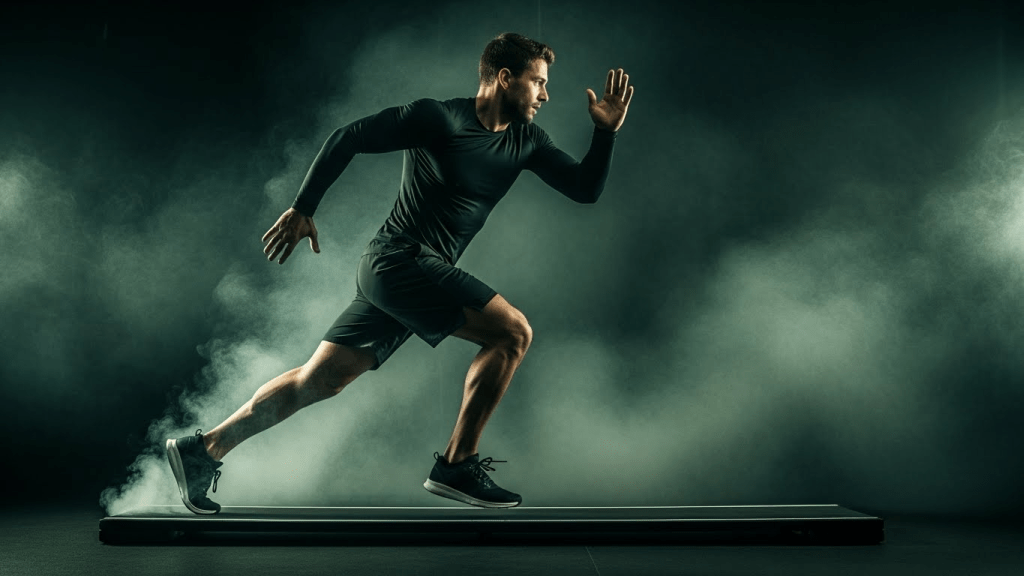
A slide board is a flat, low‑friction surface designed for lateral (side‑to‑side) sliding movements that elevate heart rate while improving balance, agility, and lower‑body strength. It’s commonly used for cardio conditioning, cross‑training, and rehabilitation work. Slide boards are compact, lightweight, and ideal for enhancing athletic movement patterns in a home workout setting.
What Slide Boards Are Used For
Lateral Cardiovascular Conditioning
Slide boards are used to perform side‑to‑side sliding motions that engage the legs, hips, and core while elevating heart rate. This lateral movement challenges the body in a way that traditional forward‑oriented cardio machines often don’t, improving cardiovascular fitness while building coordination.
Cross‑Training and Functional Movements
Slide boards are frequently incorporated into cross‑training routines that combine lateral slides with dynamic exercises like lunges, skater steps, and lateral hops. These functional movements develop strength, balance, and agility while contributing to overall metabolic conditioning.
Rehabilitation and Low‑Impact Cardio
Because slide boards provide a smooth, low‑impact surface, they are sometimes used for rehabilitative work or cardio that is gentler on the joints. The sliding motion minimizes vertical impact, making it an option for users who want cardiovascular conditioning without repetitive pounding on the knees or ankles.
Why You Need a Slide Board
Enhances Agility and Functional Fitness
Slide boards introduce lateral movement patterns that build agility and coordination—skills that many traditional cardio machines don’t target. Improving side‑to‑side strength and control supports better performance in sports, daily activities, and balanced muscular development.
Low‑Impact Cardio With Joint Relief
Because movements on a slide board are smooth and gliding, they reduce repetitive vertical impact on the joints. This makes slide boards a valuable option for people who want effective cardio without added stress on knees or hips, while still engaging the lower body vigorously.
Versatile Training Tool for Multiple Goals
Slide boards can be used for cardio, strength, balance, and rehabilitation, making them versatile tools in any home gym. They work well as a standalone cardio option or as part of a larger circuit, adding diversity to workouts and preventing fitness plateaus.
What to Consider When Buying a Slide Board
Board Length and Sliding Surface
Slide boards come in different lengths, and choosing the right one impacts workout effectiveness. Longer boards provide more room for movement and bigger strides, which is beneficial for fitness and agility work. Shorter boards are more compact but may feel restrictive for dynamic lateral slides. Assess your space and movement goals before selecting a length.
Traction and Gliding Quality
The quality of the gliding surface and edge grips is essential for safety and performance. A smooth yet controlled slide surface prevents slips and allows efficient movement, while side rails or grips can offer balance support when needed. Prioritize boards with high‑quality materials that balance glide with stability.
Durability and Weight Capacity
Slide boards must be sturdy enough to support repeated lateral force without warping or sliding across the floor. Consider the weight capacity and construction materials to ensure the board endures frequent use. Additional features like non‑slip feet or protective flooring pads enhance safety and longevity.
How Much Does a Slide Board Cost?
| Price Tier | Typical Cost Range | What You Get |
|---|---|---|
| Budget | $50 – $100 | Basic sliding surface with essential features. Suitable for occasional cardio and beginner lateral movements. |
| Mid‑Range | $100 – $180 | Smoother sliding experience, better traction, and more robust build quality for regular use and cross‑training. |
| Premium | $180 – $300+ | High‑quality materials, refined glide surface, enhanced stability, and additional accessories. Ideal for frequent training and advanced lateral workouts. |
Punching Bags

A punching bag is a heavy, suspended training tool used for striking with fists, elbows, knees, and feet. It provides an intense cardiovascular workout while improving power, coordination, balance, and muscular endurance. Punching bags are a dynamic addition to home gyms, offering both aerobic conditioning and full‑body engagement in a compact setup.
What Punching Bags Are Used For
Cardiovascular Conditioning and Calorie Burn
Punching bags are often used to raise heart rate rapidly through continuous striking combinations. High‑tempo rounds mimic the intensity of combat sports training, delivering effective cardio workouts that improve endurance and boost calorie burn.
Technique, Power, and Coordination Training
Beyond cardio, punching bags help users refine striking technique, build power, and enhance hand‑eye coordination. Each strike requires precision, timing, and balance, making the tool useful for both athletic training and functional fitness.
Stress Relief and Mental Focus
Many users turn to punching bags not only for physical conditioning but also as an outlet for stress relief and mental focus. The rhythmic striking motion can promote concentration and help release tension, making workouts more engaging and purposeful.
Why You Need a Punching Bag
High‑Intensity Cardio That Engages the Whole Body
Punching bag workouts involve fluid movement, rapid footwork, and powerful strikes that elevate the heart rate quickly. The combination of upper‑body and lower‑body involvement makes it an efficient tool for cardiovascular conditioning and total‑body engagement. It’s ideal for users who want dynamic, high‑energy workouts that differ from traditional machine‑based cardio.
Improves Strength, Power, and Endurance
Regular training on a punching bag builds muscular endurance in the arms, shoulders, core, and legs. Striking with controlled power develops strength and explosive capacity, which enhances performance in other athletic activities and everyday movements. Over time, the repeated motion also supports sustained cardiovascular capacity.
Boosts Coordination and Mental Engagement
Punching bag training requires focus, timing, and rhythm. Combining strikes with movement improves coordination and agility while stimulating the nervous system. The mental engagement needed to execute combinations and footwork patterns makes workouts more interactive and helps maintain long‑term motivation.
What to Consider When Buying a Punching Bag
Type of Punching Bag and Mounting
Punching bags come in several formats—freestanding bags, hanging heavy bags, and wall or ceiling‑mounted options. Think about the mounting requirements and available space in your home gym. Hanging bags require a secure anchor point in the ceiling or a heavy‑duty stand, while freestanding bags need floor space and stable footing.
Weight and Fill Material
The weight and filling of the bag influence how it feels when struck. Heavier bags provide more resistance and less movement, which is suitable for power development and conditioning. Lighter bags swing more and may be better for speed and coordination drills. Different fill materials also affect surface feel and durability, so consider your training focus when choosing.
Space, Noise, and Vibration
Punching bags can produce noise and vibration, especially when mounted or used in shared living spaces. Hanging bags may transmit sound through floors and walls, while freestanding bags can shift slightly with impact. Consider where the bag will be placed and how noise and movement may affect your household environment.
How Much Does a Punching Bag Cost?
| Price Tier | Typical Cost Range | What You Get |
|---|---|---|
| Budget | $50 – $150 | Basic bag with essential materials. Suitable for beginners and occasional cardio. |
| Mid‑Range | $150 – $300 | More durable construction, improved filling, and better striking surface. Ideal for regular cardio and technique work. |
| Premium | $300 – $600+ | Heavy‑duty build, refined feel, and enhanced durability. Designed for frequent, intense training and long‑term use. |
Agility Ladders
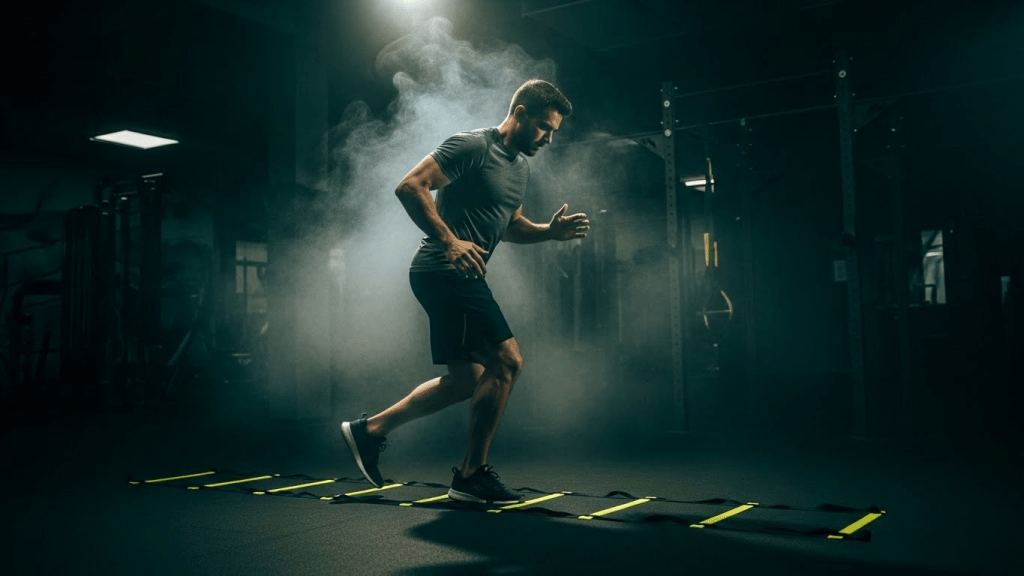
An agility ladder is a flat training tool with evenly spaced rungs laid on the ground to guide footwork drills and speed exercises. It’s primarily used to improve coordination, quickness, and lower‑body agility while elevating heart rate through dynamic movement. Agility ladders are inexpensive, portable, and ideal for adding cardio intensity to athletic, HIIT, or functional workouts.
What Agility Ladders Are Used For
Speed and Footwork Drills
Agility ladders are used to perform drills that improve coordination, acceleration, and speed. Quick stepping patterns like in‑and‑out, lateral shuffles, and high‑knee sequences elevate heart rate while sharpening neuromuscular control and movement precision.
Cardiovascular and Metabolic Conditioning
When used in rapid succession or within timed circuits, agility ladder drills create an effective cardio stimulus. Continuous footwork in varied patterns demands quick transitions and constant movement, which increases metabolic demand and improves cardiovascular endurance.
Athletic and Functional Performance Training
Athletes across many sports use agility ladders to enhance reaction time, lateral movement, and change‑of‑direction ability. These drills develop body awareness, balance, and agility, translating to better performance in field sports, court sports, and dynamic functional activities.
Why You Need an Agility Ladder
Enhances Coordination and Footwork Efficiency
Agility ladder workouts require precise foot placement and timing, which strengthens neural pathways related to balance and movement sequencing. Improved coordination enhances performance in other forms of exercise and everyday movement, making this tool valuable even beyond traditional cardio.
Boosts Cardiovascular Fitness Without Machines
Agility ladder drills elevate heart rate through movement alone—no machines, no electricity, and minimal space required. High‑tempo ladder circuits provide an effective, low‑cost way to improve stamina, speed, and agility using only bodyweight and deliberate footwork.
Adds Variety and Athletic Focus to Cardio Training
Agility ladders break up repetitive cardio routines by introducing dynamic footwork and agility components. This variety keeps workouts interesting and supports athletic conditioning goals, appealing to users who want performance‑oriented cardio rather than steady‑state movement.
What to Consider When Buying an Agility Ladder
Ladder Length and Configuration
Agility ladders come in various lengths and rung spacings. Longer ladders allow for more advanced and varied footwork patterns, while shorter ones are better for limited space or simpler drills. Consider the drills you plan to perform, your available floor area, and whether adjustable configurations are important for your training needs.
Material Quality and Durability
Look for ladders made from durable, weather‑resistant materials that withstand frequent use and transport. Rungs should remain securely in place without shifting during fast footwork. Flexible, reinforced ladders often last longer and handle higher‑intensity movement patterns without wear.
Portability and Storage
One of the biggest advantages of agility ladders is portability, but not all designs are equal. Some ladders fold or roll easily into a compact bundle, while others may be bulkier to store. Choose a ladder that fits your typical workout locations and storage preferences for maximum convenience.
How Much Does an Agility Ladder Cost?
| Price Tier | Typical Cost Range | What You Get |
|---|---|---|
| Budget | $15 – $30 | Basic ladder with lightweight rungs. Suitable for beginners and occasional agility drills. |
| Mid‑Range | $30 – $60 | Better materials, more durable construction, and enhanced rung stability. Ideal for regular cardio and agility training. |
| Premium | $60 – $100+ | Heavy‑duty build with high‑quality materials and advanced configuration options. Designed for frequent, intense agility work. |
Weighted Vests
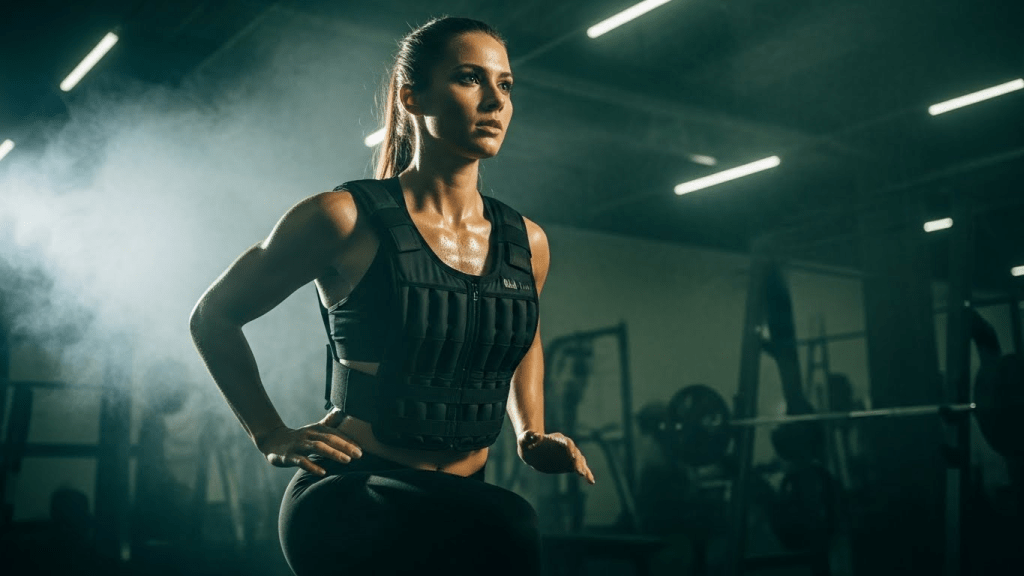
A weighted vest is a wearable training accessory designed to add extra resistance to your body during workouts. By evenly distributing weight across the torso, it increases the effort required for movement, making everyday exercises more challenging. Weighted vests have become very popular in cardio, strength, and functional training to amplify intensity and improve overall fitness within home workouts.
What Weighted Vests Are Used For
Enhancing Cardio and Calorie Burn
Weighted vests are used to increase the metabolic demand of cardiovascular exercises such as walking, jogging, stair climbing, or intervals. By adding load to bodyweight movement, each step or motion requires more effort, which raises heart rate and maximizes calorie expenditure.
Strengthening Functional Movements
In addition to traditional cardio, weighted vests are effective for functional training such as lunges, burpees, and step‑ups. The added resistance challenges muscles and stabilizers during dynamic movements, helping build strength and endurance simultaneously.
Progression and Training Adaptation
Weighted vests are commonly used to add progression in training routines without changing the exercise itself. As fitness improves, incremental weight increases help maintain training stimulus and promote continuous adaptation in both cardio capacity and muscular endurance.
Why You Need a Weighted Vest
Amplifies Everyday Movement
Adding weight to ordinary bodyweight exercises instantly increases intensity without requiring new equipment or complex programming. This makes weighted vests incredibly versatile—they transform simple movements into challenging workouts that boost cardiovascular and muscular effort.
Improves Strength and Endurance Together
Unlike isolated strength training tools, weighted vests enhance both cardiovascular and muscular systems simultaneously. The added load requires greater force generation from muscles while also elevating heart rate, resulting in efficient workouts that support multiple fitness goals.
Scales With Your Progress
Weighted vests allow you to adjust resistance as your fitness improves. Many vests offer modular weight options, so you can start light and gradually increase load over time. This scalability makes them excellent for long‑term progression without needing frequent equipment upgrades.
What to Consider When Buying a Weighted Vest
Fit and Adjustability
A proper fit is essential for comfort and effectiveness. Weighted vests should conform closely to your torso without shifting during movement. Look for options with adjustable straps or sizing that accommodates different body shapes. A secure fit minimizes bounce and discomfort during high‑intensity or dynamic cardio sessions.
Weight Distribution and Comfort
How weight is distributed across the vest affects both comfort and training quality. Even weight distribution prevents strain on the shoulders or back, while padded shoulder areas help reduce pressure points during extended cardio or plyometric routines. Prioritizing comfort encourages longer and more frequent use.
Total Weight and Increment Options
Consider your starting fitness level and long‑term goals when selecting the total weight and increment options. A vest with small, adjustable weight increments allows finer control over training progression. Too much initial weight can compromise movement quality, while too little limits long‑term challenge.
How Much Does a Weighted Vest Cost?
| Price Tier | Typical Cost Range | What You Get |
|---|---|---|
| Budget | $30 – $70 | Basic weighted vest with limited weight options. Good for beginners and occasional cardio use. |
| Mid‑Range | $70 – $150 | Better comfort, more durable materials, and adjustable weight options. Ideal for regular cardio and functional training. |
| Premium | $150 – $250+ | High‑quality construction, optimized weight distribution, and modular weight plates. Designed for frequent training and long‑term progression. |
Battle Ropes
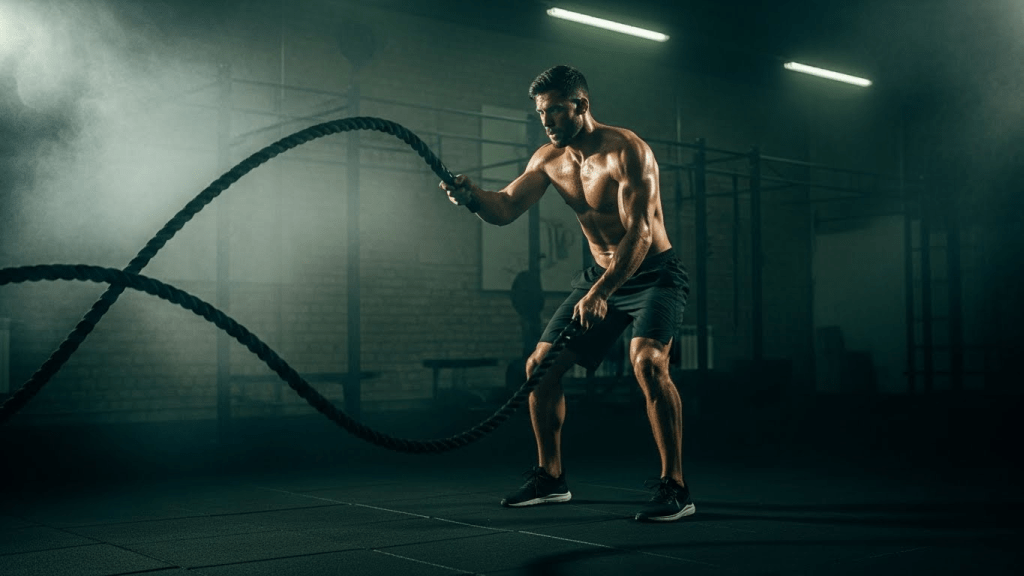
Battle ropes are heavy, thick ropes anchored at one end and used for dynamic, wave‑style movements that elevate heart rate and engage multiple muscle groups. They provide a high‑intensity, full‑body cardiovascular workout that also builds muscular endurance and power. Battle ropes are popular in home gyms because they offer versatile training without the need for bulky machines.
What Battle Ropes Are Used For
Cardiovascular Conditioning and Calorie Burn
Battle ropes are used to generate rapid, repetitive wave patterns that elevate the heart rate quickly. These continuous, rhythmic movements create a substantial metabolic demand, making battle ropes effective for improving cardiovascular endurance and burning calories in a short period.
Full‑Body Strength and Endurance
Unlike many traditional cardio tools, battle ropes engage both upper and lower body through coordinated movements. Exercises like alternating waves, slams, and spirals recruit the shoulders, arms, back, core, and even legs when performed with dynamic footwork, improving muscular endurance as well as cardiorespiratory fitness.
Interval and HIIT Workouts
Battle ropes are a favorite tool for high‑intensity interval training (HIIT). Short bouts of powerful waving followed by brief rest periods create an effective anaerobic and aerobic training stimulus. This makes them ideal for those who want a time‑efficient, high‑intensity workout with varied movement patterns.
Why You Need Battle Ropes
Rapid Cardiovascular Engagement
Battle ropes demand vigorous effort right from the start, quickly increasing heart rate due to the intensity of successive waves and slams. This makes them highly effective for cardiovascular workouts that build endurance and improve metabolic conditioning, even within relatively short sessions.
Full‑Body Training Without Large Machines
Battle ropes deliver a unique combination of cardio and muscular engagement without the footprint of large cardio machines. They allow users to work upper body, core, and lower body in a unified way, making them an efficient tool for simultaneous strength and endurance development.
Endless Versatility and Programming Options
Battle ropes can be adapted to a wide range of training styles, from steady rhythmic waves to explosive slams and complex movement patterns. This versatility keeps workouts fresh and allows you to tailor sessions to specific goals—whether that’s fat loss, conditioning, or athletic performance.
What to Consider When Buying Battle Ropes
Rope Length and Thickness
Battle ropes come in different lengths and thicknesses, which impact how they feel and perform. Longer ropes create more resistance and require more effort, while thicker ropes demand greater grip strength. Consider your space and strength level when choosing the right combination of length and diameter for your workouts.
Anchor Options and Placement
Battle ropes require a sturdy anchor point to function properly. Some home users install wall or floor anchors, while others choose portable anchor solutions. The anchor should be secure enough to withstand dynamic movement without shifting, and placement should allow enough clear space for full range of motion.
Material Quality and Durability
Ropes made from high‑quality, abrasion‑resistant materials last longer and perform better over time. Durable rope constructions resist fraying and maintain their performance through frequent use. Consider ropes with protective sleeves or coatings if you train on rough surfaces or outdoor areas.
How Much Do Battle Ropes Cost?
| Price Tier | Typical Cost Range | What You Get |
|---|---|---|
| Budget | $30 – $60 | Basic rope with essential functionality. Suitable for beginners and occasional cardio workouts. |
| Mid‑Range | $60 – $120 | Better materials, improved grip comfort, and enhanced durability. Ideal for regular cardio and interval sessions. |
| Premium | $120 – $250+ | Heavy‑duty construction with thick, high‑quality rope and enhanced features. Designed for frequent use and varied training programs. |
Final Thoughts: Building the Ultimate Home Cardio Setup
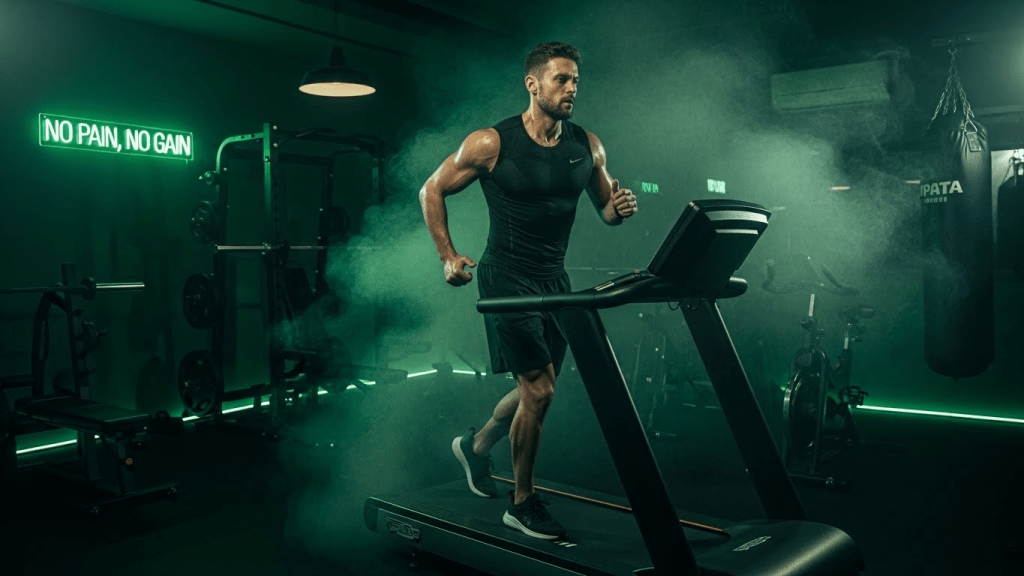
The best cardio equipment for home workouts isn’t about trends or complexity—it’s about alignment with your goals, space, and lifestyle.
Some people thrive with a single, versatile machine. Others prefer combining minimalist tools for variety. The key is choosing equipment that encourages consistent movement, supports your body, and fits seamlessly into your daily routine.
As home gyms continue to grow in popularity, the number of available cardio equipment options for small spaces continues to grow. By understanding every major category of cardio equipment—and how each functions—you’re now equipped to build a home cardio setup that delivers results for years to come.

 Home Gym Vibe