Home gyms used to be a niche choice: a spare treadmill in the basement, a dusty set of dumbbells in the corner, maybe a yoga mat that appeared every January. Now they are a mainstream way people train, recover, and manage stress, and the shift keeps gaining momentum.
The home gym craze is not about abandoning commercial gyms. It’s about removing friction between intent and action. When the equipment is a few steps away, the motivation to work out increases, and the gap between “I should work out” and “I’m working out” gets dramatically smaller.

The Forces Behind The Home Gym Boom
Home gyms have become popular for the same reason meal prep, remote work, and smart home tech became popular: people want more control over their time, their environment, and their outcomes.
You can see it in buying patterns across every price point. Some people invest in premium cardio machines and all-in-one trainers; others build a powerful setup with adjustable dumbbells, bands, and a bench.
Health Awareness And A Shift Toward Self-Reliance
A big driver is simple: more people treat fitness like a basic life skill instead of a hobby. That mindset pushes training into daily routines, and daily routines are easiest to keep when they happen at home.
A home gym also supports a “minimum effective dose” approach by providing a tailored workout environment. You do not need a perfect 75-minute session to get value. Ten focused minutes of strength work before breakfast, or a short mobility reset before bed, can add up quickly.
The Pandemic Acceleration And Lasting Habits
The pandemic sped everything up. When gyms closed, people improvised, then upgraded. Many realized they were exercising more often because travel time and scheduling issues disappeared.
Those habits stuck. Once you prove to yourself that you can stay consistent at home, it’s hard to unlearn the convenience.
| Metric | What Changed | Why It Matters |
|---|---|---|
| Equipment Demand | Sharp rise starting in 2020 | People invested to protect consistency |
| App-Based Training | Streaming classes became common | Guidance and structure moved into the home |
| Market Growth | Global at-home fitness projected to keep climbing through 2027 | The category matured beyond a short-term spike |
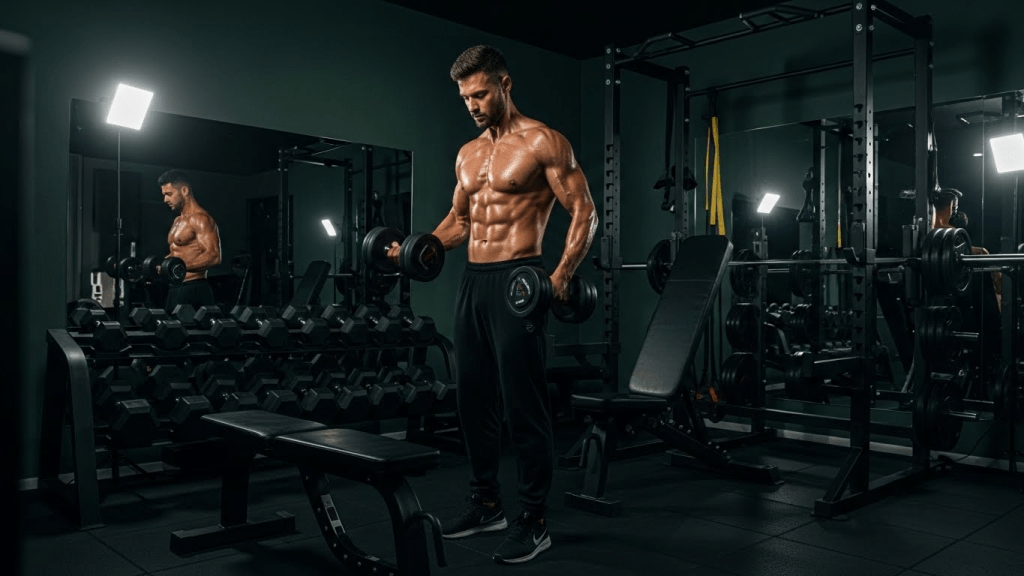
Convenience That Changes The Math Of Exercise
Convenience is not laziness. It is strategy. When training becomes easy to start, it becomes easier to repeat, and repetition is where results come from.
The appeal is obvious: no commute, no waiting for machines, no need to match your life to a facility’s hours.
Time Savings And Schedule Freedom
Home gyms are popular because they fit into real schedules, not ideal schedules. Parents can train during nap time. Shift workers can train at 10 p.m. or 5 a.m. People working from home can lift between meetings.
After a long day, removing even one barrier can be the difference between doing the session and skipping it. That’s why home gyms tend to increase training frequency for many people, even when workouts are shorter.
A home gym also makes “micro-sessions” feel normal. You might squat and press for 20 minutes, shower, and move on. That is hard to justify when the gym requires driving, parking, and navigating a crowded floor.
Many people choose home training for practical reasons like these:
- Commute Removed: turn travel time into training time
- No Waiting: keep intensity and focus high
- Anytime Access: early mornings, late nights, and everything between
- Fast Recovery Work: stretch, breathe, and reset without an audience
Removing Small Frictions That Kill Consistency
Consistency rarely fails because of big decisions. It fails because of small hassles: the gym is busy, the weather is bad, you can’t find parking, you forgot headphones, the class is full, the squat rack is taken.
At home, those hassles mostly vanish. You walk in, start, and build momentum.
Even preparation becomes easier. You can set up a barbell the night before, keep a water bottle nearby, and leave a band looped around a rack. When the workout space is yours, the path of least resistance points toward training.
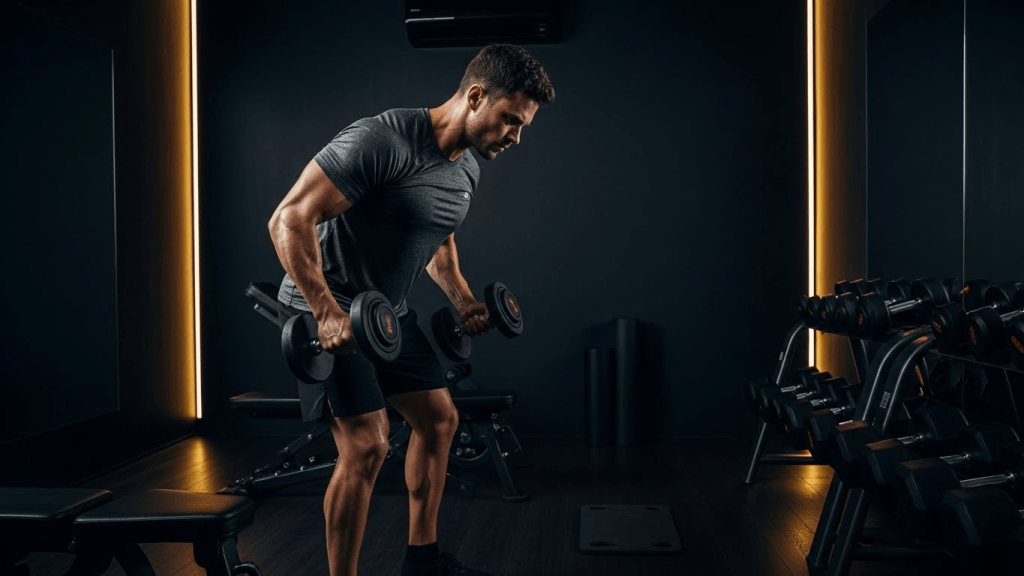
Flexibility And Personalization Without Compromise
Why are home gyms so popular? Home gyms are popular because they allow customization without negotiation, and they easily incorporate the latest fitness trends. In a commercial facility, the workout environment is shared. At home, it’s designed around you.
That flexibility supports every style of training: strength, cardio, mobility, Pilates-inspired work, high-intensity intervals, or quiet zone-two conditioning.
Train The Way You Actually Like To Train
Some people thrive on heavy barbell work. Others prefer kettlebells, dumbbells, or bodyweight training. Many want a mix. A home gym can be built to reflect what you enjoy, which matters because enjoyment is a real performance tool.
When you like your training, you do it more often and with better focus. You also spend less mental energy “getting ready” to work out, because your setup already matches your preferences.
There’s also flexibility inside the workout itself. At home you can adjust the plan mid-session without feeling pressured. If your knees feel cranky, you swap jumps for cycling. If you feel great, you add a set. That simple autonomy keeps training sustainable.
The Rise Of Connected Fitness And Coaching Apps
Technology has made home gyms dramatically more effective. You can follow structured programs, track progress, and learn technique with high-quality instruction.
Connected fitness is not limited to expensive hardware. A phone, a tablet, and a few thoughtfully chosen tools can deliver a guided experience that feels polished and motivating.
Common features people use at home include:
- Follow-along strength sessions
- Interval timers
- Heart-rate zone guidance
- Form cues and technique libraries
- Training logs with progressive overload prompts
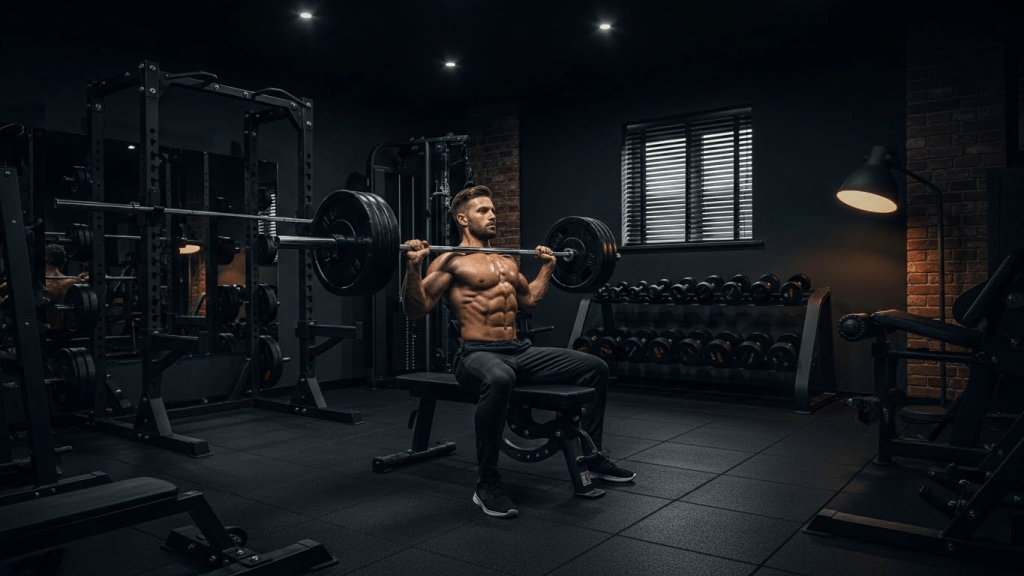
Privacy, Comfort, And A Space That Feels Like Yours
Another reason home gyms are popular is emotional comfort. That includes privacy, confidence, and the ability to train without social pressure.
It also includes small things that improve adherence: your own music, your own temperature settings, your own pace.
Confidence For Beginners And Returners
A home gym can be a safe place to rebuild fitness with regular exercise. Many people avoid gyms because they feel watched, judged, or out of place, even when no one is paying attention. At home, that mental noise drops.
Privacy is powerful for skill-building. You can practice squats, push-ups, or Olympic lift drills without worrying about how it looks. You can pause a video, repeat a segment, and take your time. That kind of repetition builds competence, and competence builds confidence.
This is also helpful for people returning after injury, pregnancy, illness, or a long break. Training at home can make the restart feel calmer and more doable.
Hygiene And Environmental Control
Home gyms grew fast during the pandemic for clear reasons, and those concerns did not disappear. People like controlling their environment. They like cleaning standards they trust.
There’s also sensory control. Lighting, fans, mirrors, flooring, and sound can all be tuned to make training feel inviting. When a space feels good, you show up more often.
Sometimes the biggest upgrade is not equipment, but the workout space itself. It’s a well-lit corner, a rubber mat, and enough room to move comfortably.
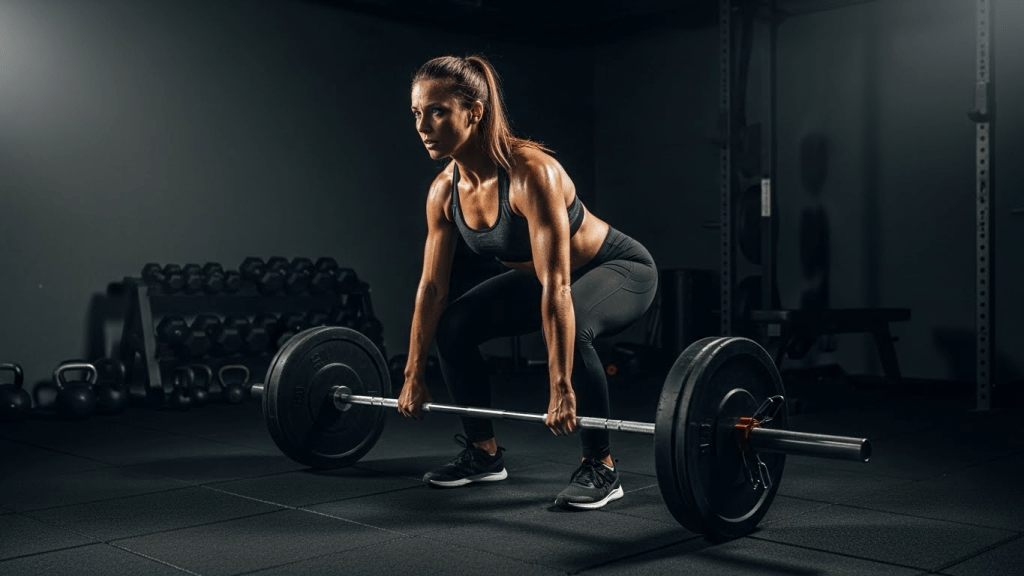
The Real Economics Of A Home Gym
Cost matters, but it’s rarely the only factor. Still, home gyms are popular partly because people see them as an investment with compounding returns: better health, more training consistency, and fewer recurring fees.
The math looks different for everyone, depending on local gym prices, how many people in the household will use the space, and whether you prefer minimal gear or specialty machines.
Upfront Spend Versus Monthly Fees
A simple setup can cost less than a year of memberships, and a more advanced setup can break even over a couple of years, especially when multiple people train.
Here’s a practical comparison that many households use as a starting point:
| Setup Level | Typical Gear | Rough Budget Range | Who It Fits |
|---|---|---|---|
| Starter | Bands, mat, adjustable dumbbells | $100 to $400 | Beginners, small spaces |
| Strong Foundation | Bench, heavier dumbbells, pull-up bar | $400 to $1,200 | Consistent lifters |
| Garage Gym Core | Rack, barbell, plates, flooring | $1,200 to $3,000+ | Strength-focused training |
| Cardio Add-On | Bike, rower, treadmill | $300 to $3,000+ | Endurance and conditioning goals |
A home gym also reduces hidden costs: gas, parking, and the temptation of “quick stops” that add spending and eat time.
Building A Gym In Phases
One reason home gyms are popular is that you can build them progressively. You do not need to buy everything at once. In fact, buying slowly is often smarter because your preferences get clearer after a few weeks of consistent training.
A good pattern is: start with tools that support many exercises, then expand based on what you actually do.
If your workouts become mostly strength training, you might prioritize a bench and adjustable dumbbells, then add a rack later. If you end up loving cardio intervals, you might choose a rower or bike before you invest in heavier lifting equipment.
How To Start A Home Gym Today Without Overthinking It
Starting is easier than most people expect. A home gym is not a room. It’s a commitment with a physical reminder.
Choose a small footprint, pick workout equipment that matches your goals, and make it obvious and easy to use.
Pick A Goal And A Footprint
Decide what you want the gym to do for you in the next 8 to 12 weeks. Strength gain? Fat loss? Stress management? Mobility? A clearer goal makes buying decisions cleaner.
Then choose a footprint that you can protect. A corner of a bedroom, a section of a garage, or a spot in the basement works. If you can leave equipment set up, even partially, you will train more often.
A Simple Starter Kit
After you’ve picked your goal, choose a starter kit that covers the basics without clutter. This keeps the space welcoming and keeps decision fatigue low.
A strong starter kit often includes:
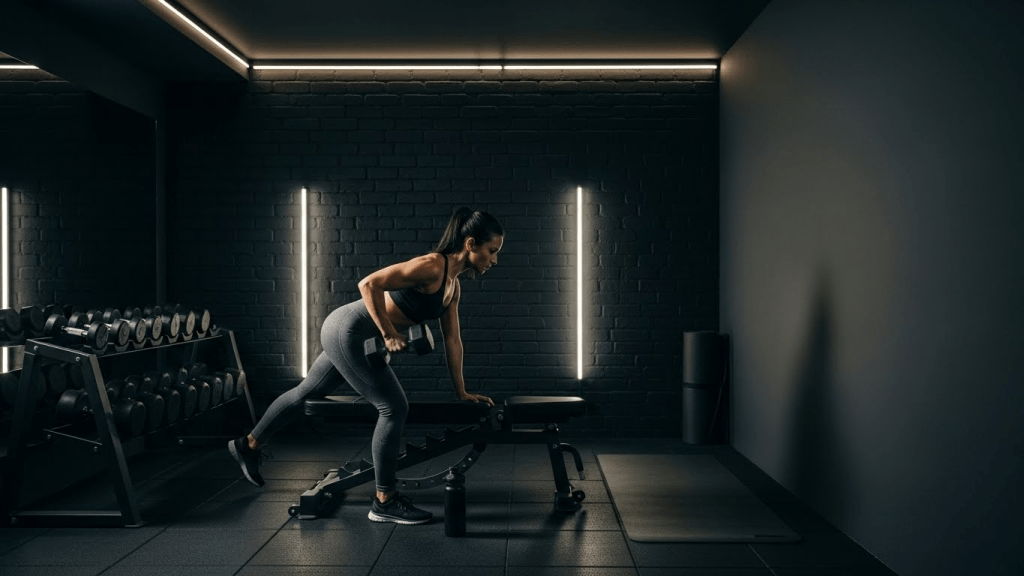
- Adjustable Dumbbells: a compact way to load many movements
- Resistance Bands: warm-ups, assistance, and high-rep work
- A Stable Bench Or Step: presses, split squats, rows, and more
- A Timer App: structure for intervals and rest periods
- A Mat: comfort for floor work and mobility sessions
Make It Stick With Small Systems
Home gyms stay popular because they work best when they become part of the routine, not willpower, and help build a supportive community of family or friends who share in fitness goals. Set a default time, even if the workout is short. Keep a simple plan posted nearby. Track a few key lifts or weekly sessions so progress stays visible.
If you want a fast win, try this: commit to ten minutes a day for two weeks. Most people find that once they start, they often keep going. Even when they stop at ten minutes, they still keep the habit alive.
A home gym is a vote for the person you want to be: someone who trains consistently, enjoys the health benefits, and integrates fitness into their lifestyle. The equipment helps, but the bigger payoff is the identity shift that comes from showing up, right where you are.

 Home Gym Vibe